Rainwater Harvesting System: 7 Powerful Reasons to Install with TricelWater.co.uk

Cold Water Storage Tanks Ireland

What is a Rainwater Harvesting System?

A rainwater harvesting system is a smart and sustainable method for collecting, storing, and using rainwater for non-potable and, in some cases, potable applications. These systems reduce dependency on mains water supply and are becoming increasingly important due to rising water costs and growing environmental concerns.

The Growing Importance of Rainwater Harvesting System in the UK

With unpredictable weather patterns and pressure on water resources, the UK is seeing a rise in water-conscious behaviour. The Environment Agency reports that England could face water shortages by 2050 without action. A rainwater harvesting system offers a proactive solution by capturing free water directly from rooftops.

Benefits of Installing a Rainwater Harvesting System

1. Reduced Water Bills

Rainwater can be used for:

  • Toilet flushing
  • Washing machines
  • Garden irrigation
  • Vehicle cleaning
  • Industrial processes

For large properties or commercial premises, this leads to substantial cost savings.

2. Sustainable Water Management

Rainwater harvesting contributes to water conservation goals. It promotes responsible usage and aligns with sustainability standards for homes and businesses.

3. Minimised Flood Risks

By collecting runoff, these systems:

  • Reduce stormwater overflows
  • Prevent soil erosion
  • Help control urban flooding

4. Easy Integration with Existing Systems

Modern rainwater harvesting systems can be retrofitted with:

  • Domestic pipework
  • Irrigation systems
  • Commercial water systems

They’re built to adapt, not disrupt.

5. Ideal for Homes, Farms, and Businesses

From residential tanks to agricultural and industrial systems, rainwater harvesting meets the needs of various sectors.

6. Long-Term Investment Returns

Though there’s an initial setup cost, the return on investment is seen in:

  • Lower water bills
  • Reduced utility strain
  • Increased property value

7. Reduced Environmental Impact

Harvesting rainwater supports biodiversity, reduces carbon footprints, and helps meet net-zero targets for green buildings.

How Rainwater Harvesting Systems Work

Catchment

Usually a roof surface that collects rainfall.

Conveyance

Gutters and pipes carry rainwater to a filter or storage tank.

Filtration

Removes debris, leaves, and contaminants to ensure clean storage.

Storage

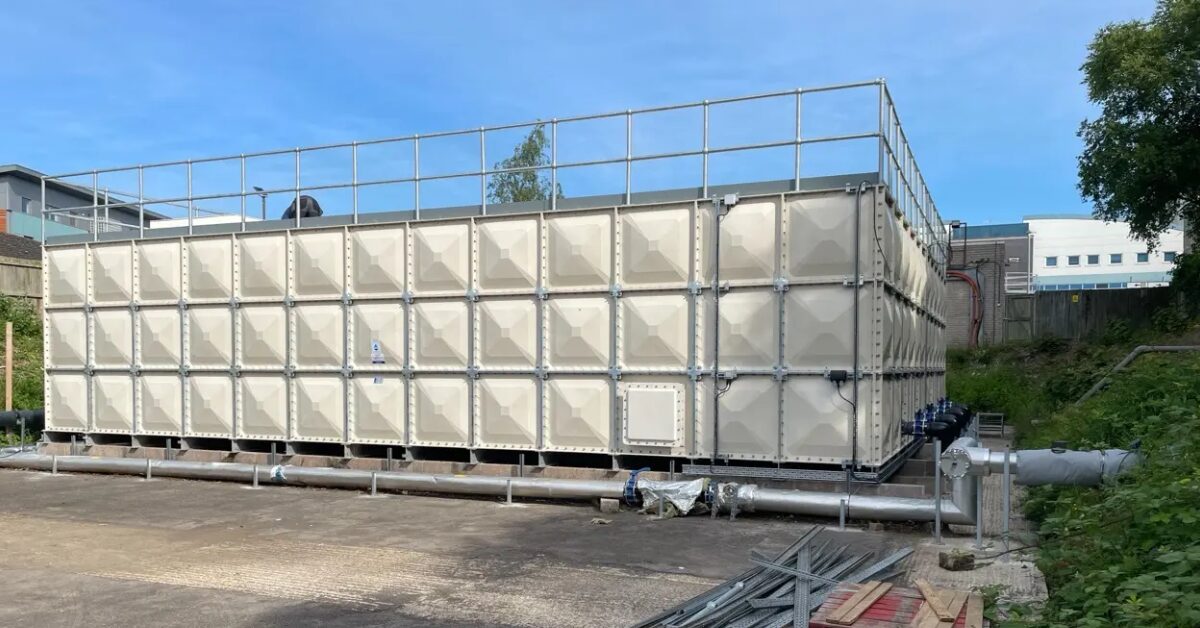
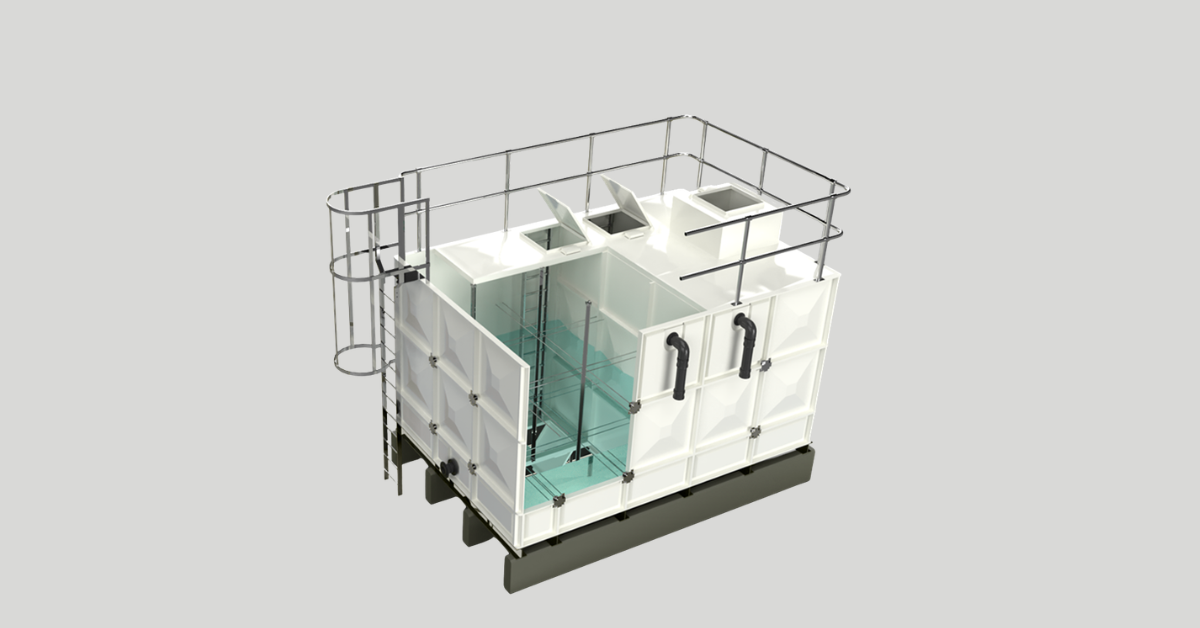
Collected above-ground GRP tanks (like those from TricelWater.co.uk).

Distribution

A pump system delivers water for use in homes, gardens, or businesses.

TricelWater.co.uk’s Rainwater Harvesting Solutions

Domestic Systems

Perfect for homes and small buildings, these systems help lower water bills and support eco-friendly living.

Commercial & Agricultural Systems

Designed for large volumes, with features such as:

  • High-capacity tanks

  • Filtration units

  • Pressure boosters

Custom-Built Options

Need something specific? TricelWater.co.uk offers bespoke system designs based on your site and usage.

Rainwater harvesting system

Installation Process

Site Assessment

Experts inspect your location to identify optimal catchment and storage areas.

System Design

Customised plans ensure the best performance, storage size, and filtration for your needs.

Professional Installation

Certified installers manage:

  • Tank fitting

  • Pipe integration

  • Testing & commissioning

Common Challenges and How to Overcome Them

Challenge
Solution
Limited Roof Space
Use multiple small tanks or vertical systems
Blocked Filters
Regular maintenance checks
Freezing in Winter
Insulate above-ground pipework and tanks
Overflows During Heavy Rain
Install overflow pipes connected to drainage systems

Read More...

  • Water Regulation

GRP Water Tank Compliance - UK Regulations, Standards & Best Practices

May 18, 2026

Technical guide to GRP tank compliance in the UK, covering Water Supply Regulations 1999, Regulation 4 approvals, ACoP L8, HSG274, BS EN 13280, BS EN 12845, and Legionella control requirements for cold water storage systems.

Cold Water Tank Sizing

Cold Water Tank Sizing: How to Calculate Storage Volume for Multi-Storey Buildings

April 29, 2026

A technical guide to cold water tank sizing methodology for multi-storey buildings — covering demand estimation, resilience calculations, water age, Legionella risk, and a worked sizing example.

Confined Space Entry in Building Maintenance

Confined Space Entry in Building Maintenance: Obligations and Safe Systems

April 28, 2026

A practical guide to confined space entry obligations for building maintenance teams and contractors — covering the Confined Spaces Regulations 1997, permit to work, atmospheric testing, standby arrangements, and cold water tank entry.

Backflow Prevention

Backflow Prevention in Building Water Systems: Fluid Categories and Device Selection

April 23, 2026

A technical guide to backflow prevention under the Water Fittings Regulations — fluid categories 1 to 5, device types for cold water cisterns, the Type AG air gap requirement, and common compliance failures.