insightfulacute

We value your privacy

Our website uses cookies to enhance your experience. By continuing to use our website, you are agreeing to our use of cookies. Necessary cookies are always enabled. You can read more about our Cookie Policy in our Privacy policy

We value your privacy

Cookies are small text files stored on your computer by websites you visit. They help users navigate websites efficiently and enable certain essential functions. Cookies necessary for the website to function properly can be set without your consent, while all other cookies require your approval before being used in your browser.

Additionally, we use cookies to gather data for personalizing and evaluating the effectiveness of our advertising. For more information, please refer to the Google Privacy Policy.

You can find the list of all the cookies that we use on our website here.

Water Tank Manufacturer Sectional Tank

importance of base levelling steels

Water Tank Manufacturer Sectional Tank

Base levelling steels ensure compliance with BS EN 13280 tolerance requirements. Buying them upfront can significantly reduce abortive site visits and, in turn, offer substantial financial benefits for customers.

Why Should You Buy Base Levelling Steels Upfront?

Why Should You Buy Base Levelling Steels Upfront?

The short answer is to save time and money, but you think that buying base steels upfront will surely cost more money.

Well, the answer is no and here’s why.

Up until a few years ago, abortive site visits were a widespread occurrence and, in the main, down to the fact that the proposed base constructions we were encountering did not meet the tolerance requirements as detailed in BS EN 13280.

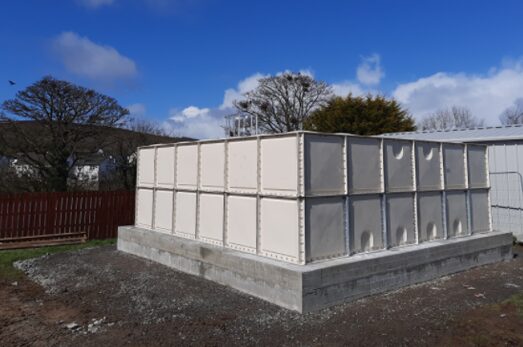
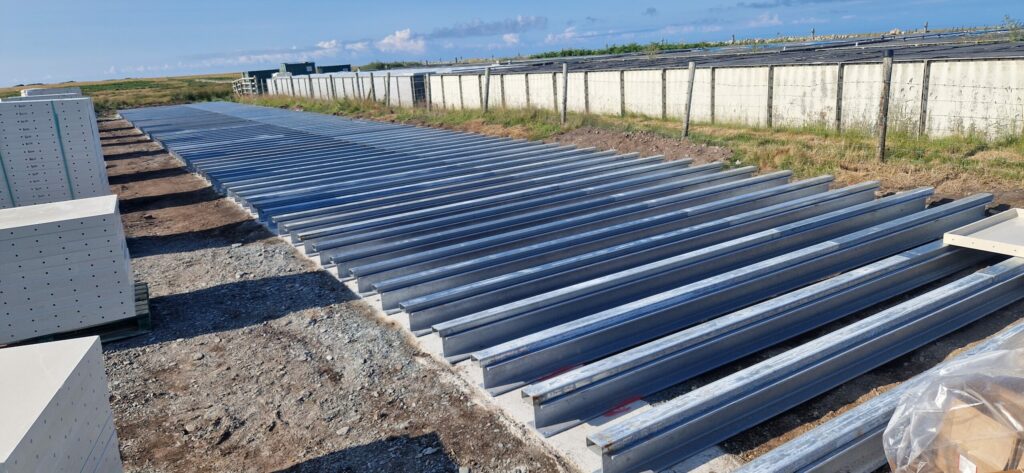
Carndonagh-Tank-1

Importance of Base Steels

At the time, Tricel always offered base levelling steels, but they were rarely purchased because they were not specified. We were often advised that the tank base is the responsibility of the builder, so why should any M&E contractor pay the extra?

It was a valid point then, but it became clear that the tolerance requirements were rarely achieved. Projects started to fall behind, unbudgeted costs spiralled, and client/contractor relations suffered as a result.

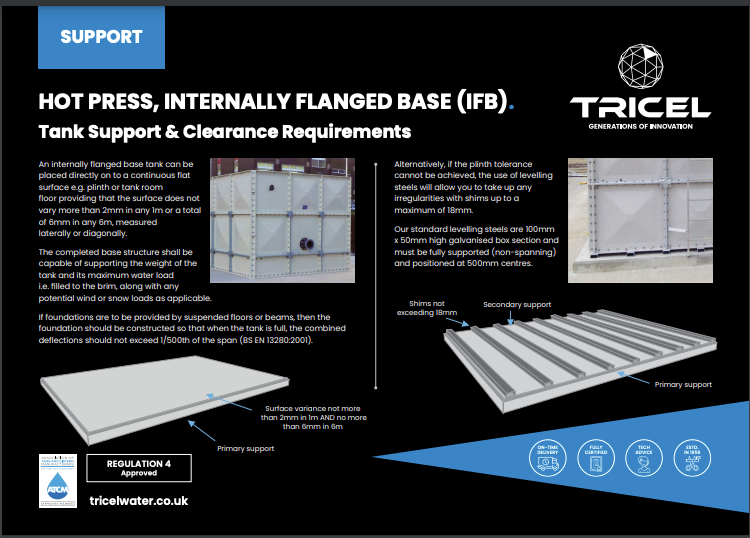
However, at that point in time, the benefit of using base levelling steels was often overlooked. By purchasing them, any irregularities of the existing plantroom floor or cast plinth up to 18mm (+/-9mm) could be absorbed, as our skilled engineers could shim the steels to suit and continue the installation as originally planned.

The realisation that said prevention (buying the base steels upfront) was cheaper and contractually savvy came almost overnight. Granted, it took a while to get to that tipping point, but the cultural shift paid dividends to us all. Not only did the base-related abortive visits almost vanish, fewer building programmes slipped, and unbudgeted costs were significantly reduced. This will result in less hassle for Tricel, contractors, and clients.

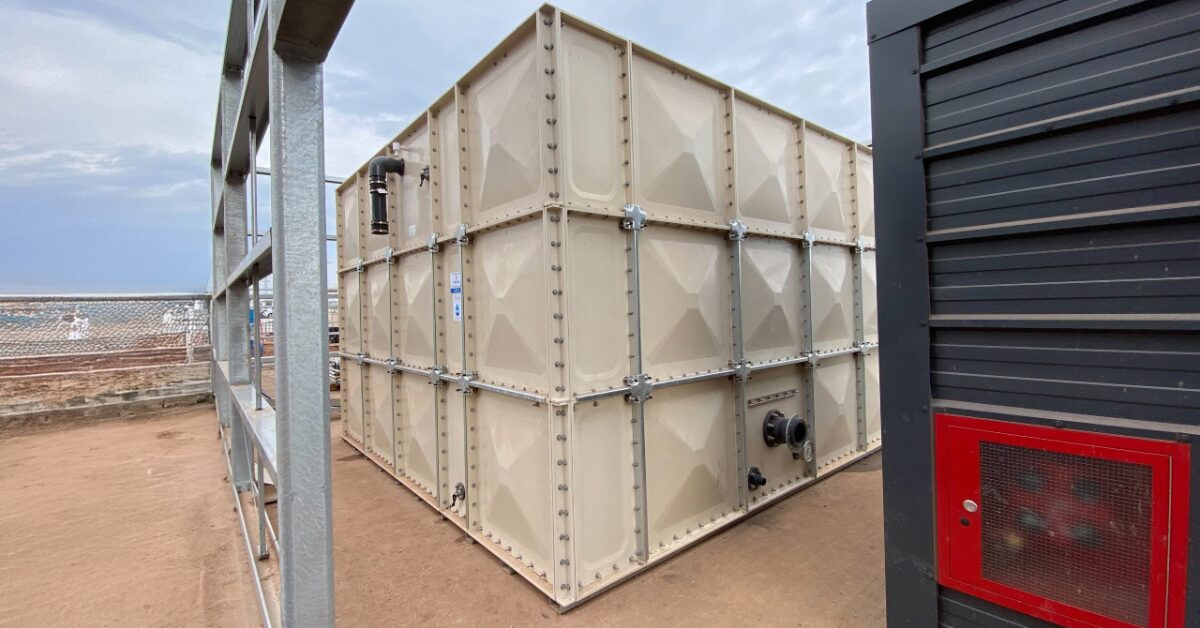
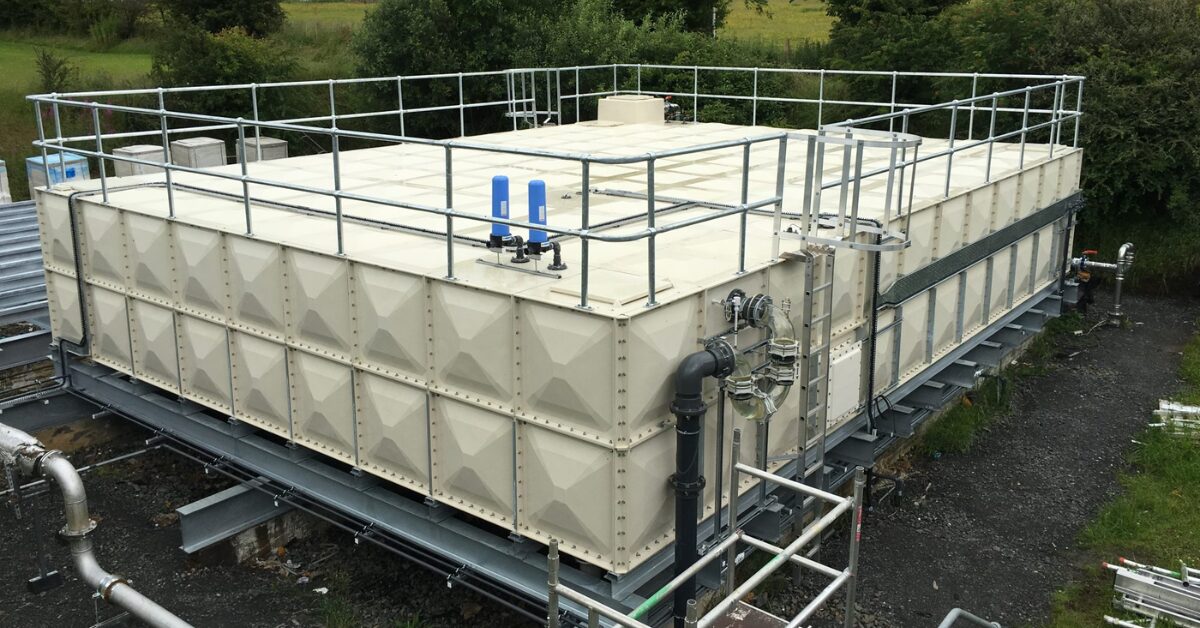
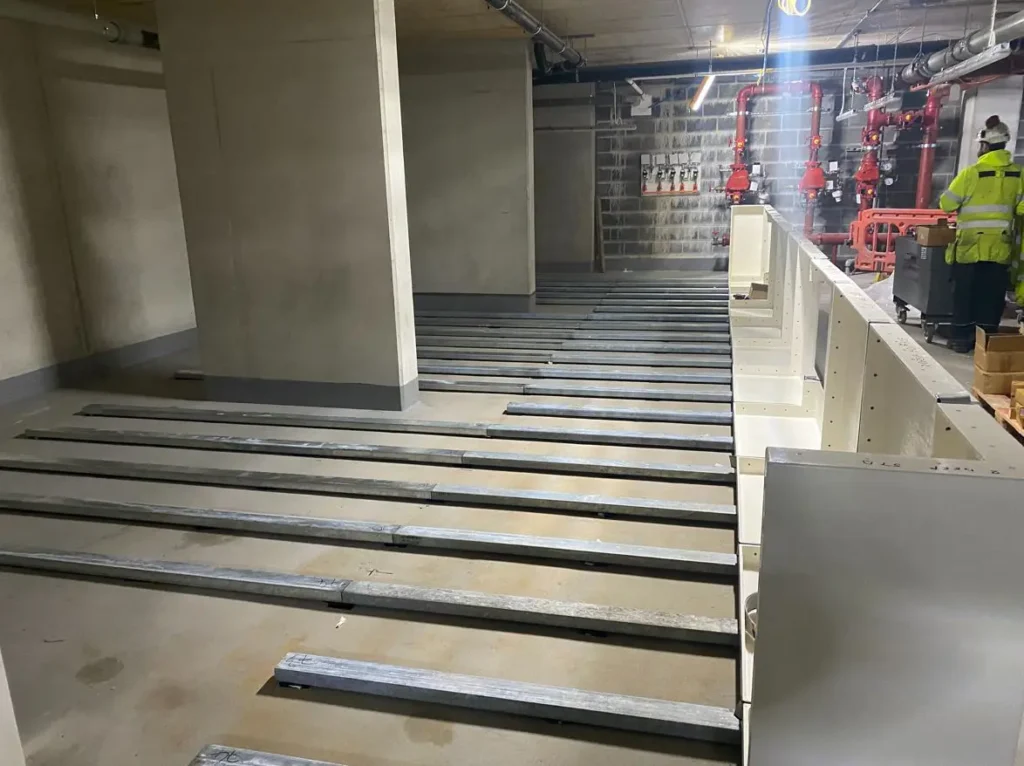
So, next time you compare costs and a competitor isn’t including them, is it worth the short-term saving? Check out this project in Hackney, London, where base levelling steels were installed.

base steels for a sectional tank installation
base levelling steels installed

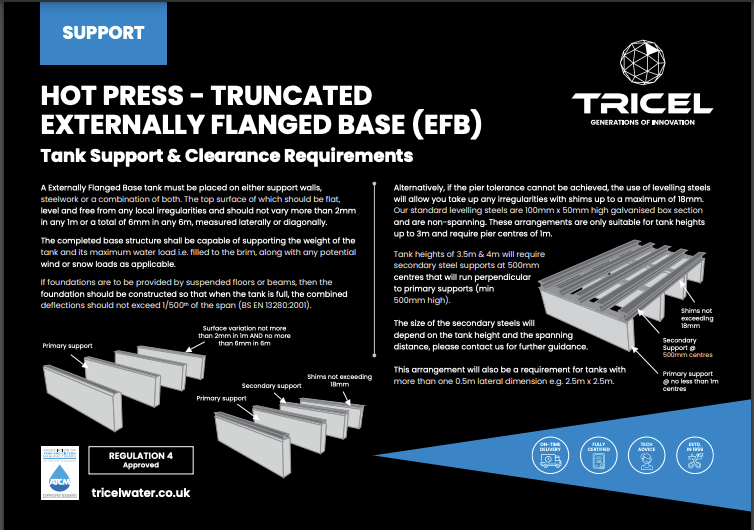
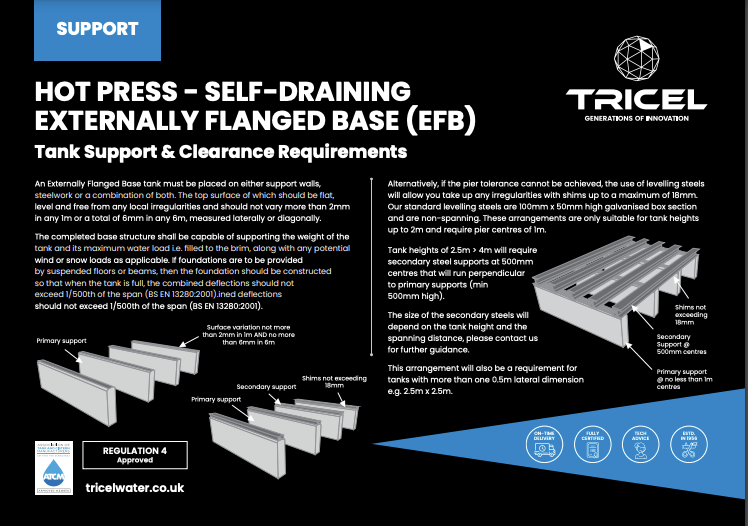
GRP sectional Tank Clearance Requirements

How Base Steels meet Tolerance Requirements

BS EN 13280, a European standard that governs the design and construction of water tanks, imposes strict tolerance requirements. Base steels play an important role in achieving these requirements. Adhering to these standards not only ensures compliance with relevant standards but also extends the lifespan of your water storage tank, avoiding the need for an unforeseen water tank replacement.

Aborted Site Visits Due to Poor Base Construction


Over the years, we have concluded that many aborted site visits resulted from poor base constructions that did not meet tolerance requirements. Aborted site visits cause inconvenience and delays, and our client can incur additional costs.

Our experienced site crews can highlight potential issues, including insufficient tank support, an imbalance with the tank weight, inadequate load-bearing capacity, or signs of damage to the tank due to poor base construction. If our site crews identify such issues, this can result in an aborted site visit because further assessments and corrective measures would need to be taken. This process is time-consuming for both our clients and the site crews involved.

Implications of Aborted Site Visits

The implications of aborted visits depend on various factors, such as the nature of the site visit and the size and complexity of the project. However, here are some potential cost considerations related to aborted site visits in our projects:

  • Lost time and Productivity
  • Rescheduling and Coordination
  • Travel and Logistics

Investing in base steels upfront can help avoid costly site visits and repairs caused by non-compliance with BS EN 13280. Abortive site visits, often necessary to rectify mistakes or non-compliance issues, can result in substantial extra expenses and project delays.

Read More...

  • Water Tank Installation & Maintenance
  • Case Studies
  • Product Guides & Comparisons
Cold Water Tank Sizing

Cold Water Tank Sizing: How to Calculate Storage Volume for Multi-Storey Buildings

April 29, 2026

A technical guide to cold water tank sizing methodology for multi-storey buildings — covering demand estimation, resilience calculations, water age, Legionella risk, and a worked sizing example.

Confined Space Entry in Building Maintenance

Confined Space Entry in Building Maintenance: Obligations and Safe Systems

April 28, 2026

A practical guide to confined space entry obligations for building maintenance teams and contractors — covering the Confined Spaces Regulations 1997, permit to work, atmospheric testing, standby arrangements, and cold water tank entry.

Backflow Prevention

Backflow Prevention in Building Water Systems: Fluid Categories and Device Selection

April 23, 2026

A technical guide to backflow prevention under the Water Fittings Regulations — fluid categories 1 to 5, device types for cold water cisterns, the Type AG air gap requirement, and common compliance failures.

cold water system commissioning

Cold Water System Commissioning: Cleaning and Disinfection to BS EN 806-5

April 21, 2026

A practical guide to cold water system commissioning, cleaning, and disinfection in line with BS EN 806-5. Covers procedure, chlorination residuals, flushing, clearance for service, and handover documentation.

up