overflow pipe plumbing best practices
Home » Water Tank Installation & Maintenance » Overflow Pipe Plumbing Best Practices
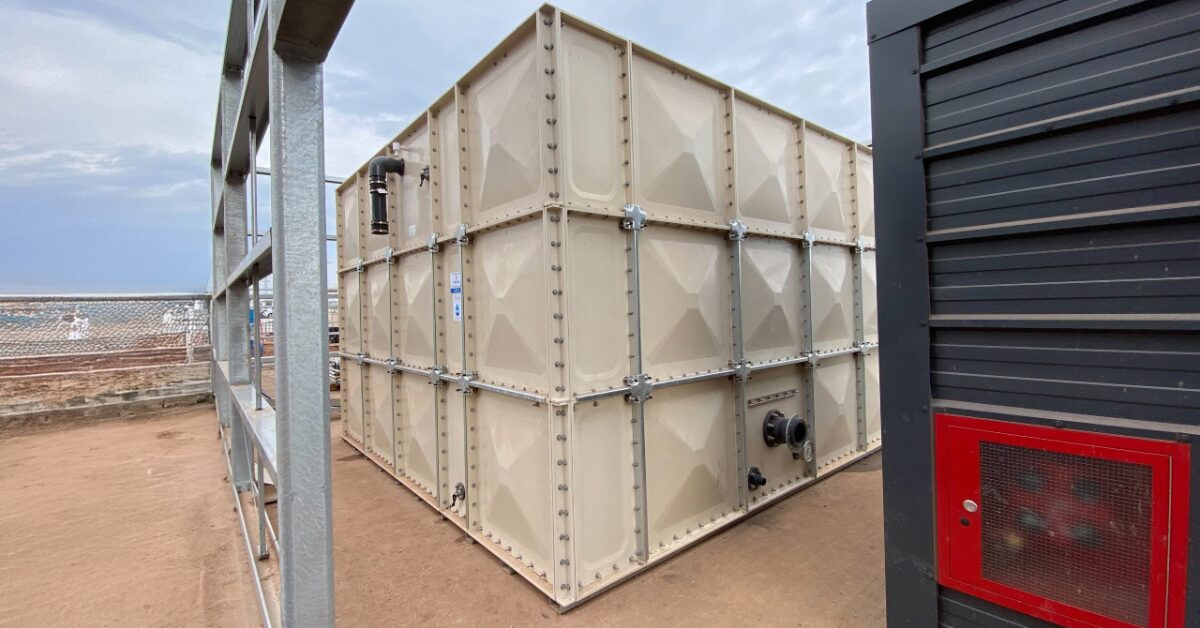
An incorrectly plumbed or poorly managed pipe can result in your plantroom being flooded resulting in expensive water damage repairs. If a pipe is not plumbed away to a separate location such as a gully this can lead to unrecoverable damage and issues going unnoticed for a long time.
How an Overflow and Warning Pipe Works
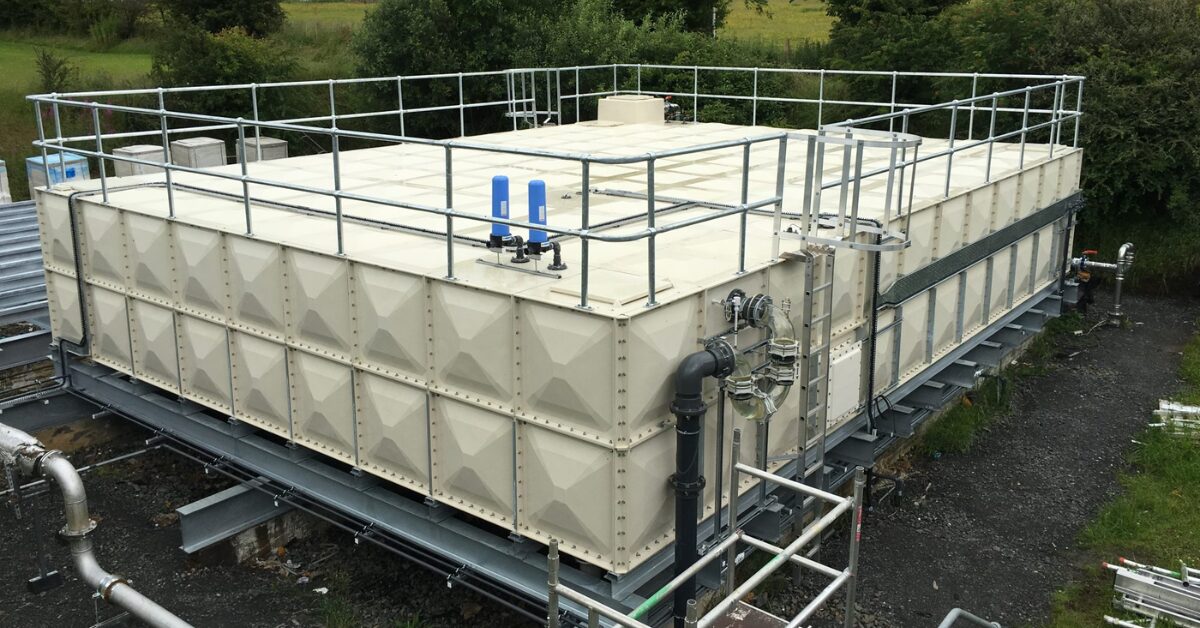
An overflow or warning pipe immediately alerts you to rising water levels in your storage tank, signaling a potential issue with the inlet or other connections. If left unaddressed, continuous water level increases in a faulty tank can lead to flooding in the plant room, which could cause significant damage to the floor and structure.
To prevent this, ensure the overflow pipe is directed to a gully or bunded area to safely handle excess water. Moreover, a leaking overflow pipe demands urgent attention. In this case, contact our specialist teams right away. They will conduct a thorough site survey to assess the situation and determine the next steps.
Additionally, ATCM provides clear guidelines on the ideal design parameters for your overflow and warning pipe fittings, helping to ensure proper function and safety.
Overflow and Warning Pipe Guidelines
A warning pipe is an overflow pipe with its inlet positioned at a specific height in the cistern. This design ensures the pipe starts to flow before the main overflow activates. Meanwhile, the outlet of the overflow pipe is strategically placed to easily discharge excess water.
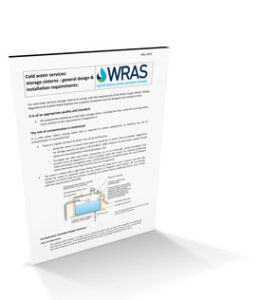
According to WRAS, it’s recommended that warning pipes discharge outside the building. However, this isn’t always feasible due to the complex designs of some plant rooms. Fortunately, the Water Regulations guide provides several examples of suitable discharge areas and methods for overflow pipes.
For more details on best practices regarding plumbing and managing overflow and warning pipes, refer to the Water Regulations UK Guide.
Tricel is a leading manufacturer of GRP water storage tanks, perfect for a wide variety of applications. Reach out to our expert sales teams for a quote or additional information. Alternatively, click here to explore our extensive range of water storage solutions.
Recommended reading & installation guidelines
Read More...
- Water Tank Installation & Maintenance
- Cold Water Storage Tanks
- Case Studies

Cold Water Tank Sizing: How to Calculate Storage Volume for Multi-Storey Buildings
A technical guide to cold water tank sizing methodology for multi-storey buildings — covering demand estimation, resilience calculations, water age, Legionella risk, and a worked sizing example.
Confined Space Entry in Building Maintenance: Obligations and Safe Systems
A practical guide to confined space entry obligations for building maintenance teams and contractors — covering the Confined Spaces Regulations 1997, permit to work, atmospheric testing, standby arrangements, and cold water tank entry.
Backflow Prevention in Building Water Systems: Fluid Categories and Device Selection
A technical guide to backflow prevention under the Water Fittings Regulations — fluid categories 1 to 5, device types for cold water cisterns, the Type AG air gap requirement, and common compliance failures.
Cold Water System Commissioning: Cleaning and Disinfection to BS EN 806-5
A practical guide to cold water system commissioning, cleaning, and disinfection in line with BS EN 806-5. Covers procedure, chlorination residuals, flushing, clearance for service, and handover documentation.