Comparing Above-Ground and Underground Water Tanks: Pros and Cons

underground water tanks

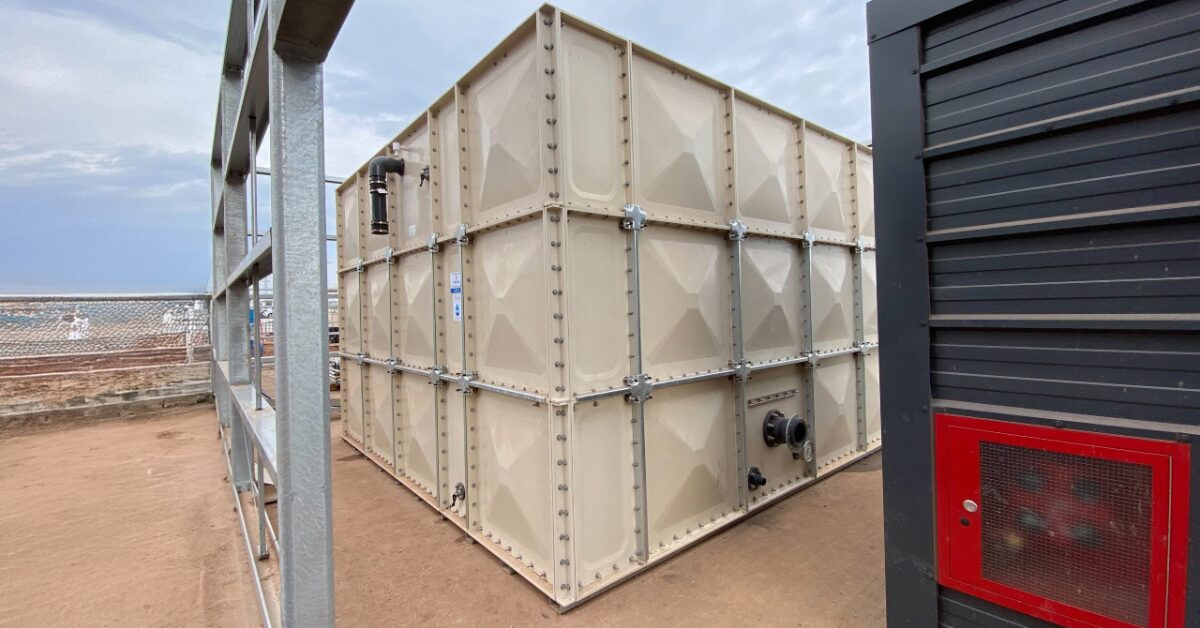
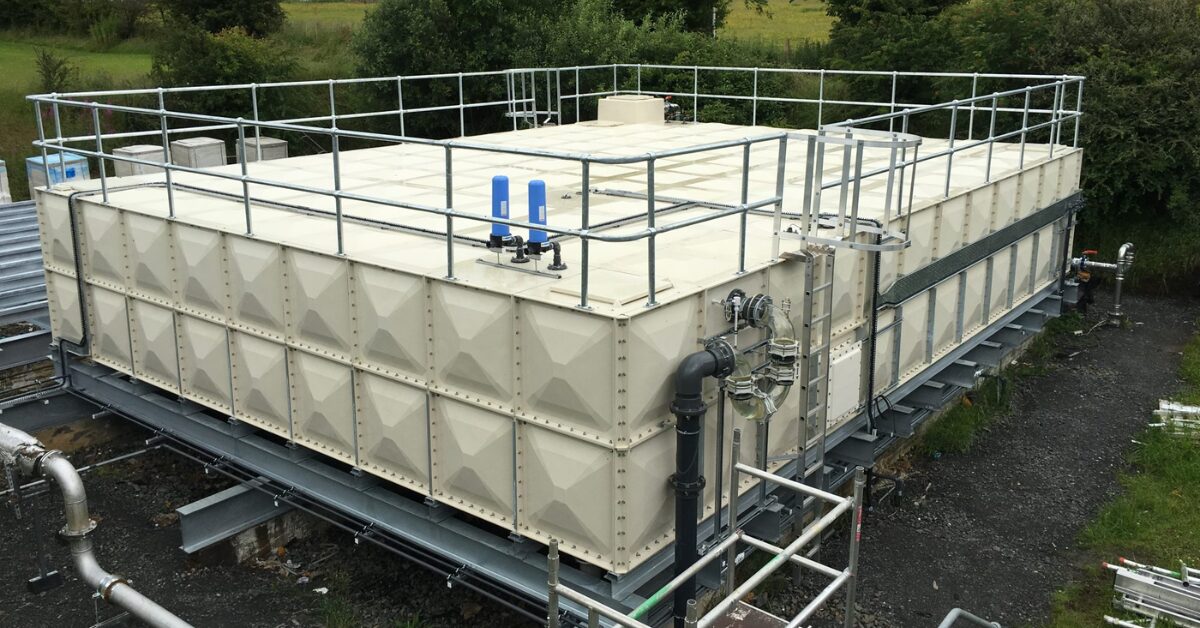
Choosing the right water storage solution starts with one key decision—above-ground or underground water tanks.
Both types offer unique benefits and limitations. The right option depends on your site conditions, usage, budget, and maintenance needs.


Above Ground Water Tanks

Quick and Simple Installation

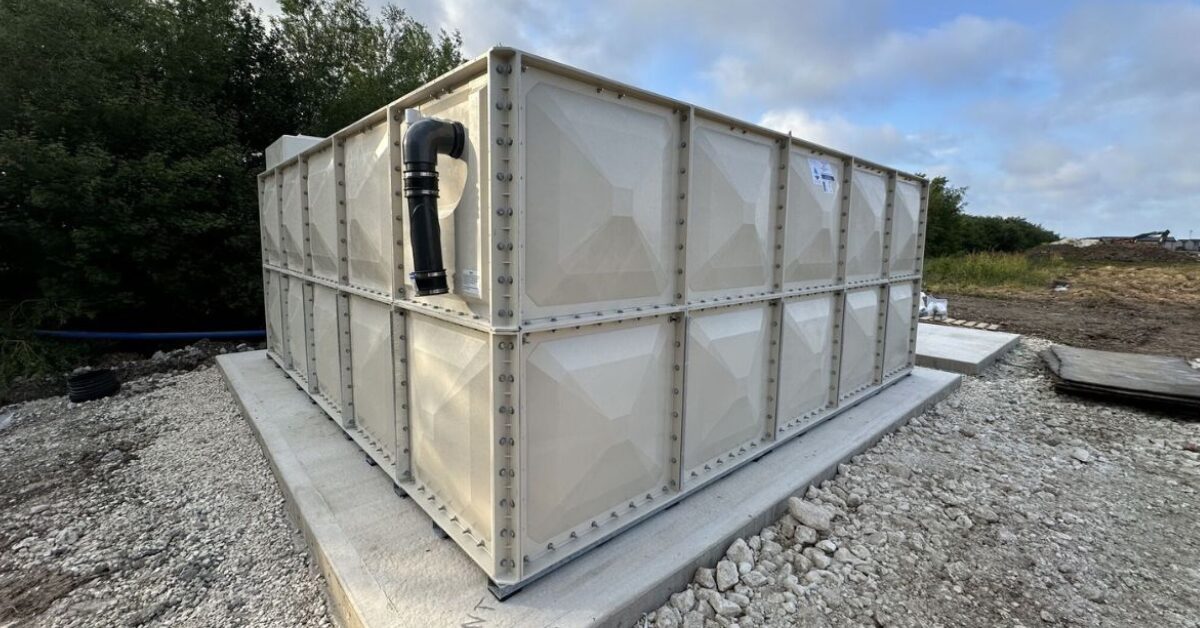
Above-ground tanks are installed faster and at a lower cost than underground water tanks. No excavation means less labour and site disruption.

Easy to Maintain

Because all parts are visible, inspections and repairs are straightforward. This reduces long-term maintenance time and costs.

Flexible Sizes and Styles

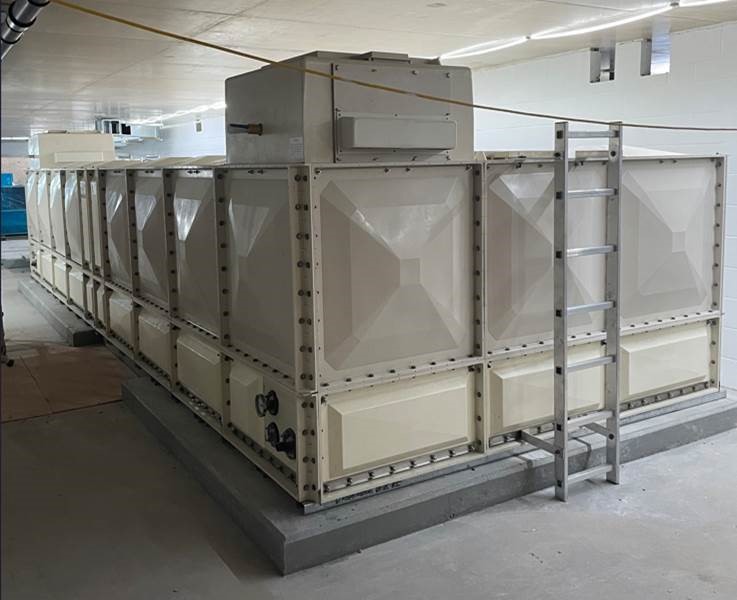
From compact GRP one-piece tanks to large sectional models, above-ground tanks suit homes and commercial sites.

Cost-Effective Option

Above-ground tanks save money on both materials and installation. Unlike underground water tanks, they don’t need excavation or shoring.

Relocatable and Expandable

You can easily move or extend above-ground tanks as your project needs evolve. Underground water tanks offer far less flexibility.

Visual Appearance

Some users find above-ground tanks less attractive. However, screening or compact designs help them blend into most environments.

Exposure to Weather

External temperatures may affect above-ground tanks more. In extreme cases, insulation or shading provides an easy fix.

Underground Water Tanks

Save Space Above Ground

Underground tanks remain hidden, making them ideal for gardens, driveways, or developments with limited outdoor space.

Protected by the Environment

Buried tanks stay insulated from UV rays and temperature changes. This can benefit water quality over time.

Complex Installation Process

Installing underground water tanks requires excavation, drainage solutions, and skilled labour. These added steps raise upfront costs significantly.

Difficult Access for Maintenance

Maintenance of underground water tanks often requires confined space entry. This adds safety concerns and increases service costs.

Ground Conditions Matter

Poor drainage, high water tables, or unstable soil can delay or prevent underground water tank installation altogether.

Permanent Placement

Once installed, underground water tanks are hard to relocate or modify. Changes may require major disruption and extra costs.

So which tank is best for your project, above ground or underground water tanks ?

Underground water tanks suit projects where space and aesthetics take priority.
However, most users benefit more from above-ground tanks. They offer easier access, lower costs, and greater flexibility.

At Tricel Water, we design and supply durable GRP above-ground tanks. Our models serve domestic, commercial, and industrial clients across the UK.

underground water tanks

Need Help Choosing Between Above-Ground and Underground Water Tanks?

Contact Tricel Water today for expert advice and a competitive quote tailored to your project.

Read More...

  • Water Tank Installation & Maintenance
  • Cold Water Storage Tanks
  • Case Studies
Cold Water Tank Sizing

Cold Water Tank Sizing: How to Calculate Storage Volume for Multi-Storey Buildings

April 29, 2026

A technical guide to cold water tank sizing methodology for multi-storey buildings — covering demand estimation, resilience calculations, water age, Legionella risk, and a worked sizing example.

Confined Space Entry in Building Maintenance

Confined Space Entry in Building Maintenance: Obligations and Safe Systems

April 28, 2026

A practical guide to confined space entry obligations for building maintenance teams and contractors — covering the Confined Spaces Regulations 1997, permit to work, atmospheric testing, standby arrangements, and cold water tank entry.

Backflow Prevention

Backflow Prevention in Building Water Systems: Fluid Categories and Device Selection

April 23, 2026

A technical guide to backflow prevention under the Water Fittings Regulations — fluid categories 1 to 5, device types for cold water cisterns, the Type AG air gap requirement, and common compliance failures.

cold water system commissioning

Cold Water System Commissioning: Cleaning and Disinfection to BS EN 806-5

April 21, 2026

A practical guide to cold water system commissioning, cleaning, and disinfection in line with BS EN 806-5. Covers procedure, chlorination residuals, flushing, clearance for service, and handover documentation.