Which Water Storage Tank Is Right for Me?

how to choose a water storage tank

A Practical UK Guide for Property Owners, Contractors & Specifiers

How to choose a water storage tank?

Choosing the right water storage tank isn’t just about capacity or price. It’s about compliance, longevity, installation constraints, and long-term risk. 

This guide walks you step-by-step through the key decisions so you can choose the right tank for your project – first time. 

Step 1. What Will the Water Be Used For?

This is the most important starting point, as it directly affects compliance and material choice. 

Potable (Drinking) Water

Used for: 

  • Domestic supply 

What you must check 

  • Compliance documentation for inspectors 

Not all tanks marketed as “water storage” are suitable for potable use. 

Non-Potable Water

Used for: 

  • Process water 
  • Greywater systems 

What matters most 

  • Structural integrity 
  • Durability 
  • Correct labelling and segregation 

If unsure: Always assume potable requirements — it’s safer and future-proofs the installation. 

Step 2. How Much Water Do You Need to Store?

Tank sizing errors are one of the most common (and expensive) mistakes. 


Consider: 

  • Daily water demand 
  • Peak usage periods 
  • Fire protection requirements 
  • Backup capacity during outages 


Common mistakes 

Undersizing (leads to pressure issues or supply failure) 
Oversizing (wasted cost and space) 

Best practice: Size for real demand + regulatory or safety margins, not guesswork. 

Step 3. Where Will the Tank Be Installed?

Installation environment often dictates the tank type more than capacity. 

Internal Plant Rooms

Key considerations: 

  • Door widths and ceiling height 
  • Assembly space 

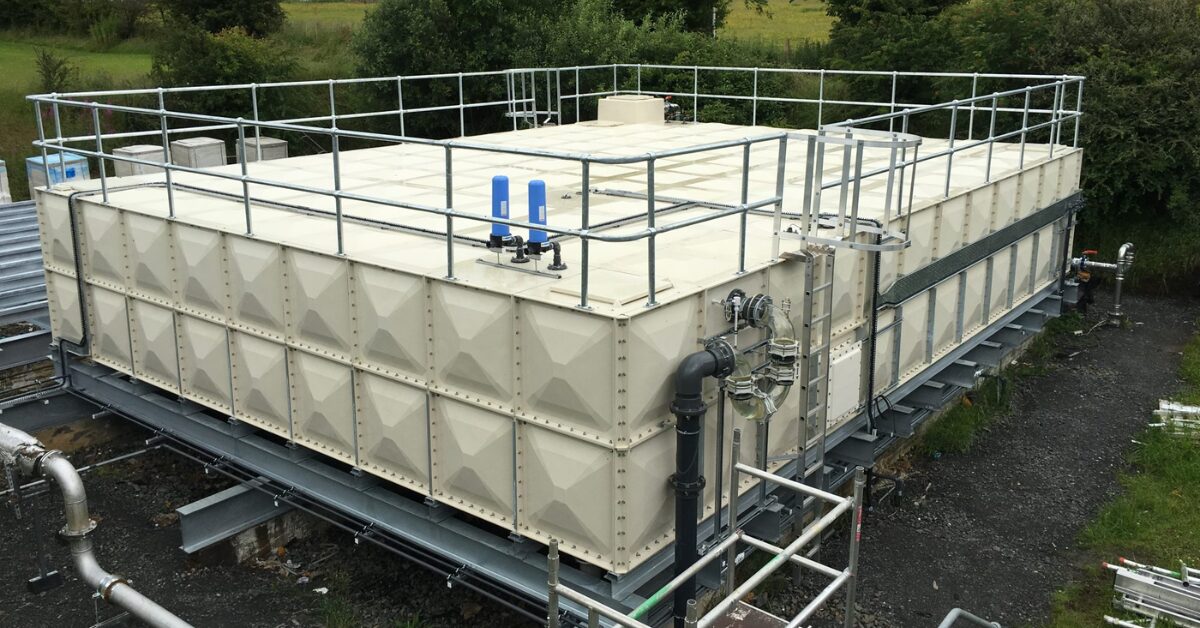
Best solution: Modular or sectional tanks that can be assembled on site. 

External Installations

Key considerations: 

  • Weather exposure 
  • Structural support 
  • Ground conditions 
  • UV and temperature resistance 


Best solution: Tanks designed for environmental durability and long service life. 


Step 4. What Material Is Right for Your Application?

Different materials behave very differently over time. 

MATERIAL
STRENGTHS
LIMITATIONS
Steel
High Strength
Corrosion Risk, Coatings Degrade
Basic GRP
Lightweight
Variable Quality, Deformation Risk
Advanced SMC
High Durability, Hygienic, Stable
Higher Upfront Cost, Lower Lifetime Cost

Best practice: Choose material based on lifespan, hygiene, and compliance – not just cost. 

Step 5. What Level of Compliance & Risk Do You Have?

Some projects carry much higher inspection and liability risk. 

Higher-risk environments include: 

  • Public buildings 

In these cases, documentation, traceability, and certification matter as much as the tank itself. 

Ask yourself 

  • Will this pass inspection first time? 
  • Is full documentation available? 

Step 6. Who Will Install and Maintain the Tank?

A technically excellent tank can still fail if: 

  • Access for cleaning wasn’t considered 
  • Spare parts or support aren’t available 

Safer choice: 

  • Clear installation manuals 
  • Ongoing technical support 
  • Easily replaceable components 
  • Proven use across similar projects 

Quick Decision Guide

You likely need a high-quality sectional tank if: 

 It’s potable water 
 It’s installed indoors 
 Compliance risk is high 
 Long service life matters 

You may have more flexibility if: 

It’s non potable 
External installation 
Lower inspection risk

Still Not Sure? That’s Normal.

Most projects don’t fit neatly into one category. 

The safest approach is to consider: 

  • Use case 
  • Capacity 
  • Installation environment 
  • Compliance risk 
  • Long-term cost 

Speak to our team directly and they can provide you with more in-depth advice on how to choose a water storage tank tailored to your project needs:

Read More...

  • Water Tank Installation & Maintenance
  • Cold Water Storage Tanks
  • Case Studies
right, law, attorney, justice, the court, the regulation, law, law, law, law, law, justice

Cold Water Storage Tank Compliance in the UK: Regulations, Standards & Best Practices 

October 17, 2025

Ensuring compliance with cold water storage tank regulations in the UK is essential for safeguarding water quality, maintaining system efficiency, and meeting legal obligations. From WRAS approval and LPCB certification to industry standards such as BS EN 13280, strict requirements govern the design, installation, and maintenance of water tanks.
one piece tanks (3)

How to Maintain a Compliant Cold Water Storage Tank

September 24, 2025

Maintaining a cold water storage tank is not just about ensuring a reliable water supplyit is also a legal and safety requirement. A poorly maintained tank can pose serious risks, including bacterial growth such as Legionella, structural deterioration, or non-compliance with current regulations.

Leak in Water Tank

Leak in Water Tank: Causes, Prevention, and Solutions

April 3, 2025

​Water tank leaks can lead to significant structural damage and water loss. Common causes include corrosion, poor installation, and lack of maintenance. To prevent leaks, it's essential to ensure proper installation, use high-quality materials, and conduct regular inspections. For detailed guidance on causes, prevention, and solutions for water tank leaks, refer to Tricel Water UK's comprehensive article.​

Water Tank Manufacturer Sectional Tank

Importance of Base Levelling Steels

May 2, 2024

Proper base levelling is essential for the stability and longevity of your water tank. This guide explains why base levelling steels are crucial for preventing structural issues and ensuring your tank performs optimally over time.