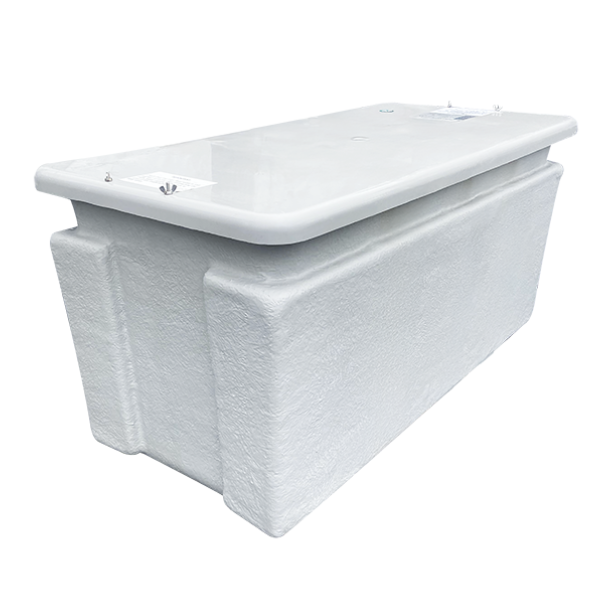


house water tanks
Home » Product Guides & Comparisons » Complete Guide to House Water Tanks
A Complete Guide to House Water Tanks
House water tanks play a crucial role in ensuring a reliable and consistent water supply for homes. Whether used for potable water storage, rainwater harvesting, or emergency backup, choosing the right water tank is essential for efficiency and longevity. In this guide, we will explore the different types of house water tanks, their benefits, and key factors to consider before purchasing one.
types of house water tanks
One-Piece GRP House Water Tanks
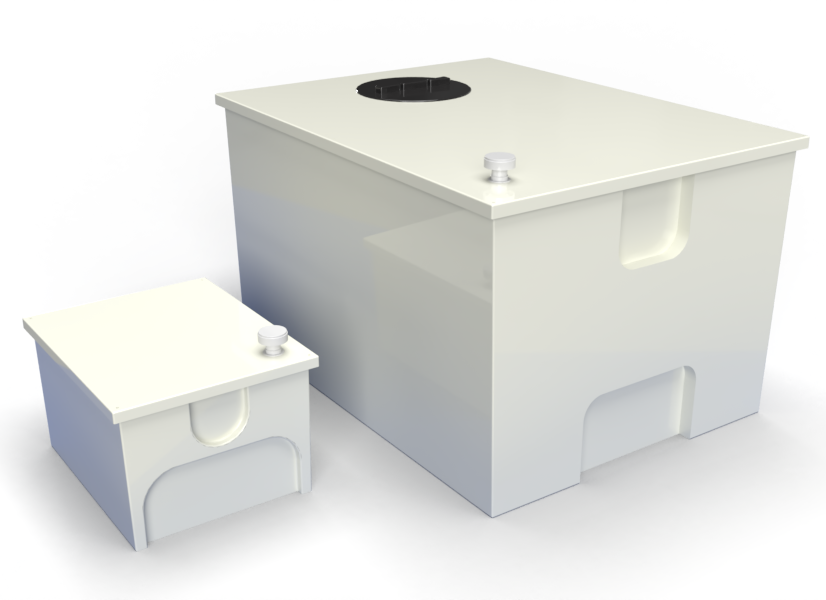
One-piece tanks are durable and easy to install. Made from Glass Reinforced Plastic (GRP), they offer excellent resistance to corrosion, making them ideal for long-term water storage.Sectional Water Tanks
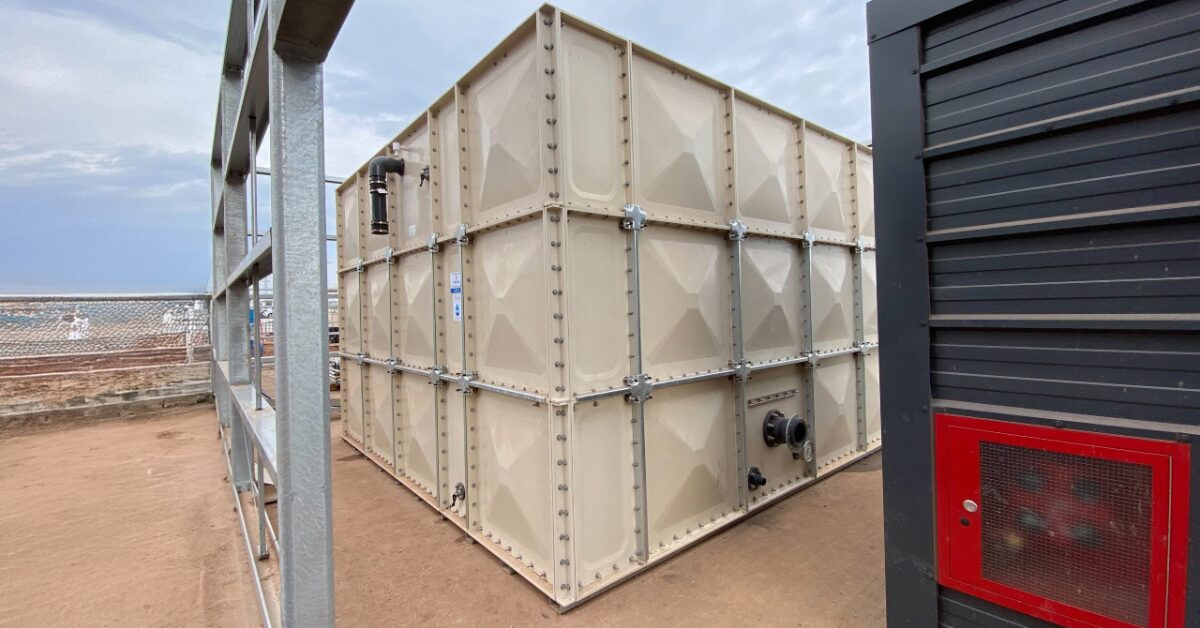
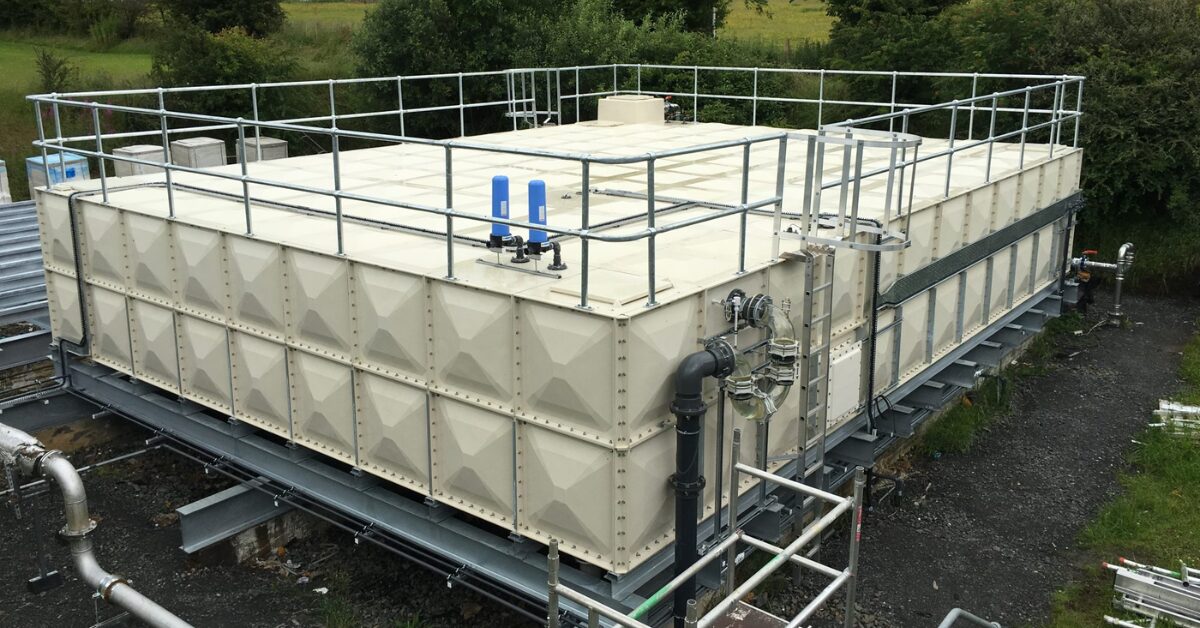
These modular tanks are suitable for larger water storage needs. They can be assembled on-site, making them perfect for homes with restricted access or space limitations.Rainwater Harvesting Tanks
Designed to collect and store rainwater, these tanks help reduce water bills and promote sustainability. They can be used for irrigation, flushing toilets, and even drinking water with proper filtration.
Choosing the Right House Water Tank
When selecting house water tanks for your home, consider the following factors:
Capacity: Choose a size that suits your household needs. A typical home may require anywhere between 500 to 5,000 litres.
Tank Location: Assess available space for installation, considering options like loft spaces, rooftops, or external enclosures
Tank Type: Choose between sectional tanks, one-piece tanks, or internally flanged tanks based on the installation location
- Capacity: Select a tank size that aligns with your property’s water consumption needs
Usage: Decide if the tank will be for drinking water, irrigation, or general household use.
- Material: Tricel offers GRP (Glass Reinforced Plastic) tanks, which are suitable for potable water applications and provide safe, reliable storage
Regulations: Ensure the tank meets local water storage regulations and standards.
At Tricel Water, we understand the importance of having a reliable water storage solution. Here are some key benefits of house water tanks:
Reliable Water Supply: Having a water tank ensures that you always have access to clean water, even during water shortages.
Cost Savings: Using rainwater harvesting tanks can significantly reduce water bills.
Eco-Friendly: Reducing dependency on the mains water supply helps conserve natural water resources.
Emergency Preparedness: A backup water storage tank is essential during supply disruptions.
Better Water Quality: Some tanks come with filtration systems to maintain high water quality for domestic use.
Customisable Options: Tricel Water offers a variety of tank sizes and materials to suit different household needs.
Installation and maintenance
- Easy Installation: Sectional tanks have a modular design for simpler installation, fitting almost any space with just a flat surface required
- Minimal Maintenance: GRP sectional water tanks require virtually zero maintenance
- Regular Inspection: Regularly inspect the tank for any signs of damage or leaks
- Periodic Cleaning: Clean the tank periodically to remove any sediment
Read More...
- Water Tank Installation & Maintenance
- Cold Water Storage Tanks
- Case Studies

Cold Water Tank Sizing: How to Calculate Storage Volume for Multi-Storey Buildings
A technical guide to cold water tank sizing methodology for multi-storey buildings — covering demand estimation, resilience calculations, water age, Legionella risk, and a worked sizing example.
Confined Space Entry in Building Maintenance: Obligations and Safe Systems
A practical guide to confined space entry obligations for building maintenance teams and contractors — covering the Confined Spaces Regulations 1997, permit to work, atmospheric testing, standby arrangements, and cold water tank entry.
Backflow Prevention in Building Water Systems: Fluid Categories and Device Selection
A technical guide to backflow prevention under the Water Fittings Regulations — fluid categories 1 to 5, device types for cold water cisterns, the Type AG air gap requirement, and common compliance failures.
Cold Water System Commissioning: Cleaning and Disinfection to BS EN 806-5
A practical guide to cold water system commissioning, cleaning, and disinfection in line with BS EN 806-5. Covers procedure, chlorination residuals, flushing, clearance for service, and handover documentation.