5 Costly Mistakes When Choosing a Water Storage Tank
Home » Cold Water Storage Tanks » 5 Costly Mistakes When Choosing a Water Storage Tank (And How to Avoid Them)
5 Costly Mistakes When Choosing a Water Storage Tank
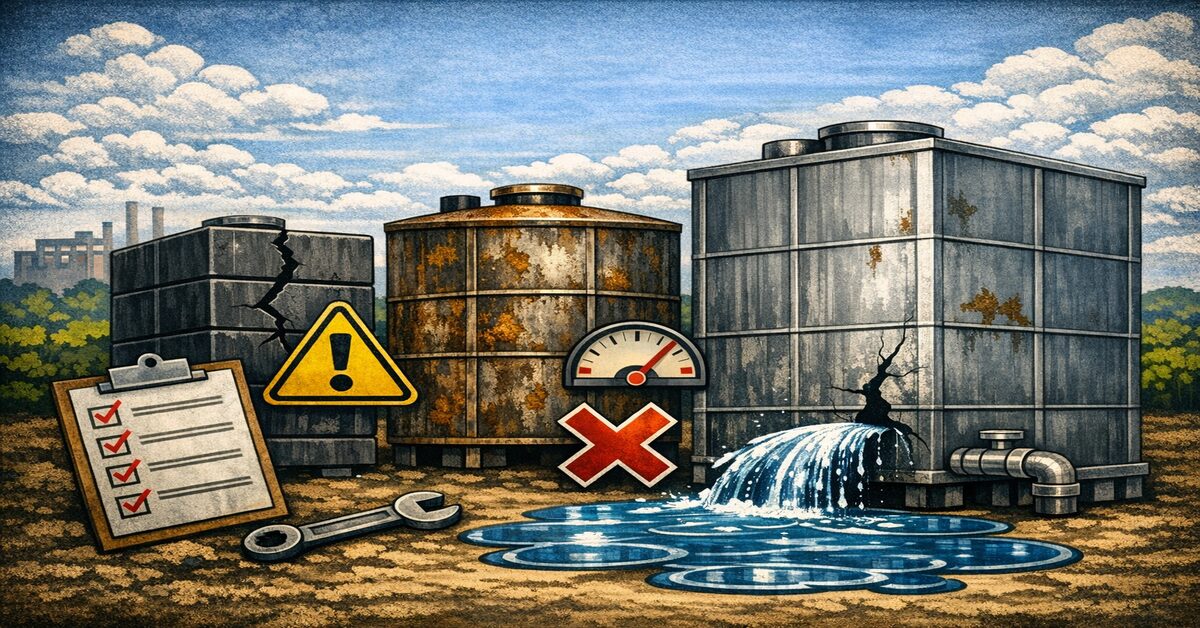
Choosing the wrong water storage tank can lead to compliance failures, costly retrofits, leaks, contamination risks, and failed inspections, often months or years after installation.
Whether you’re a specifier, contractor, or building owner, these are the five most common (and expensive) mistakes we see – and how to make a safer, future-proof choice.
Mistake 1. Choosing a Tank That Doesn’t Meet UK Regulations
One of the most common, and costly, errors is installing a tank that does not meet UK regulatory requirements.
Why this is a problem
- Tanks may fail Reg.4/WRAS approval
- Non-compliant materials can contaminate potable water
- Local authorities or inspectors may reject the installation
What to check instead
- Reg.4/WRAS approval for potable water use
- Compliance with BS EN standards
- Documentation that inspectors can verify easily
Safe choice: A tank designed and certified specifically for UK regulations – not adapted later.
Mistake 2. Focusing on Price Instead of Lifecycle Cost
Cheaper tanks often look attractive upfront but initial cost is rarely the true cost.
Hidden long-term costs
- Shorter lifespan
- Higher maintenance
- Early replacement
- Disruption to buildings or operations
A low-cost tank that fails in 8-10 years can cost far more than a higher-quality tank designed to last decades.
What to consider instead
- Expected lifespan
- Maintenance requirements
- Material durability
- Resistance to corrosion, deformation, and fatigue
Safer approach: Compare total cost of ownership, not just purchase price.
Mistake 3. Choosing the Wrong Tank Material
Not all water tanks are built the same, and material choice has a direct impact on performance and compliance.
Common issues with poor material choices
- Corrosion in steel tanks
- Deformation or cracking in lower-grade GRP
- Hygiene risks in poorly finished interiors
What matters most
- Structural integrity
- Hygiene and water quality
- Resistance to environmental conditions
- Long-term dimensional stability
Best practice: Choose a material specifically engineered for water storage, not adapted from other applications.
Mistake 4. Ignoring Installation & Access Constraints
Many tanks are specified without fully considering how they’ll actually be installed.
Common problems
- Tank sections too large to access plant rooms
- Inadequate space for assembly or maintenance
- No allowance for future inspection or cleaning
These issues often only appear on site, when it’s too late – leading to delays and redesign costs.
What to check early
- Modular or sectional design options
- Access route dimensions
- Maintenance clearance requirements
- Installer guidance and documentation
Smarter choice: A system designed for easy assembly in restricted spaces.
Mistake 5. Overlooking Long-Term Support & Documentation
A water storage tank isn’t just a product — it’s a regulated system that needs ongoing support.
Risks of poor aftercare
- Missing compliance documents during inspections
- Difficulty sourcing replacement components
- Limited technical support if issues arise
What to look for
- Full documentation packs
- Clear maintenance guidance
- UK-based technical support
- Proven track record in similar projects
Lower risk: Work with a supplier who supports the system long after installation.
How to Choose a Water Storage Tank with Confidence
To avoid these costly mistakes, your water storage tank should:
- Meet UK regulatory standards
- Be built from durable, hygienic materials
- Offer long-term value, not just low price
- Be designed for real-world installation
- Come with clear documentation and support
Not Sure Which Tank Is Right for Your Project?
Every project is different and the safest choice depends on:
- Application (potable / non-potable)
- Capacity requirements
- Installation environment
- Compliance risk
Read More...
- Water Tank Installation & Maintenance
- Cold Water Storage Tanks
- Case Studies

Cold Water Storage Tank Compliance in the UK: Regulations, Standards & Best Practices
Ensuring compliance with cold water storage tank regulations in the UK is essential for safeguarding water quality, maintaining system efficiency, and meeting legal obligations. From WRAS approval and LPCB certification to industry standards such as BS EN 13280, strict requirements govern the design, installation, and maintenance of water tanks.
How to Maintain a Compliant Cold Water Storage Tank
Maintaining a cold water storage tank is not just about ensuring a reliable water supplyit is also a legal and safety requirement. A poorly maintained tank can pose serious risks, including bacterial growth such as Legionella, structural deterioration, or non-compliance with current regulations.
Leak in Water Tank: Causes, Prevention, and Solutions
Water tank leaks can lead to significant structural damage and water loss. Common causes include corrosion, poor installation, and lack of maintenance. To prevent leaks, it's essential to ensure proper installation, use high-quality materials, and conduct regular inspections. For detailed guidance on causes, prevention, and solutions for water tank leaks, refer to Tricel Water UK's comprehensive article.
Importance of Base Levelling Steels
Proper base levelling is essential for the stability and longevity of your water tank. This guide explains why base levelling steels are crucial for preventing structural issues and ensuring your tank performs optimally over time.