insightfulacute

We value your privacy

Our website uses cookies to enhance your experience. By continuing to use our website, you are agreeing to our use of cookies. Necessary cookies are always enabled. You can read more about our Cookie Policy in our Privacy policy

We value your privacy

Cookies are small text files stored on your computer by websites you visit. They help users navigate websites efficiently and enable certain essential functions. Cookies necessary for the website to function properly can be set without your consent, while all other cookies require your approval before being used in your browser.

Additionally, we use cookies to gather data for personalizing and evaluating the effectiveness of our advertising. For more information, please refer to the Google Privacy Policy.

You can find the list of all the cookies that we use on our website here.

GRP Water Tanks

GRP comparison guide

GRP Water Tanks

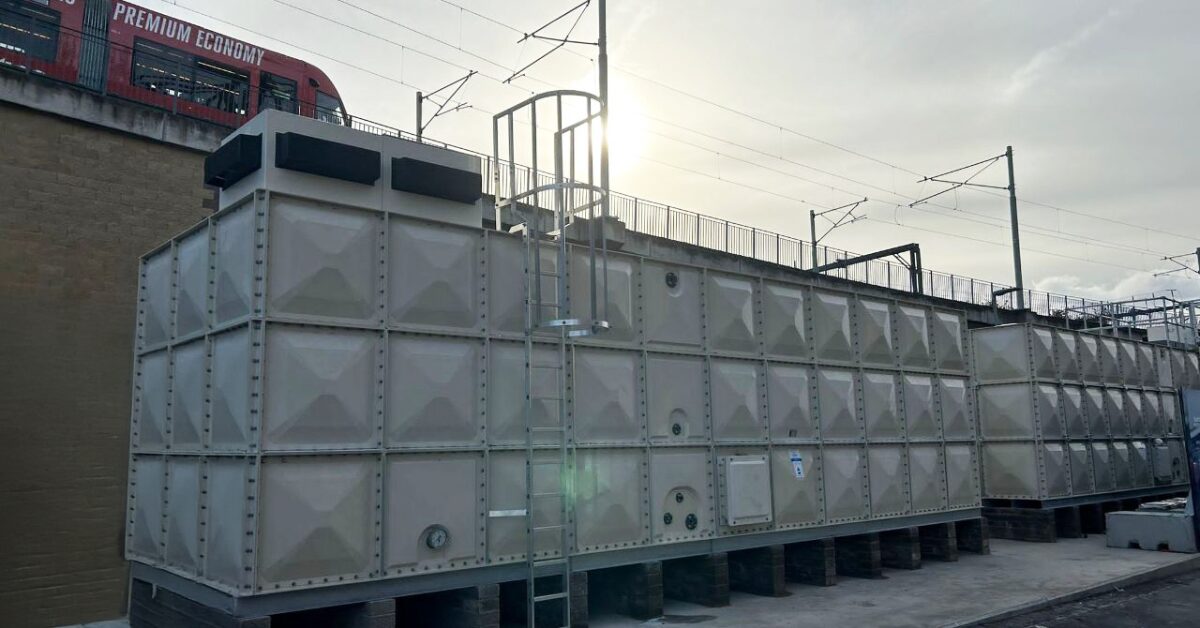
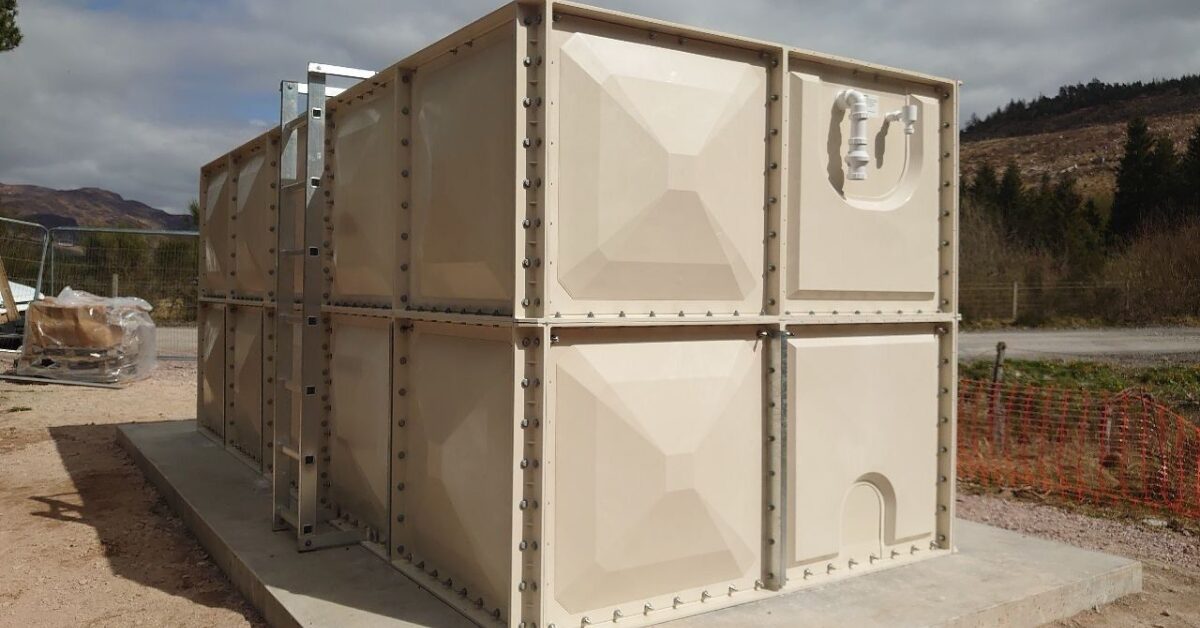
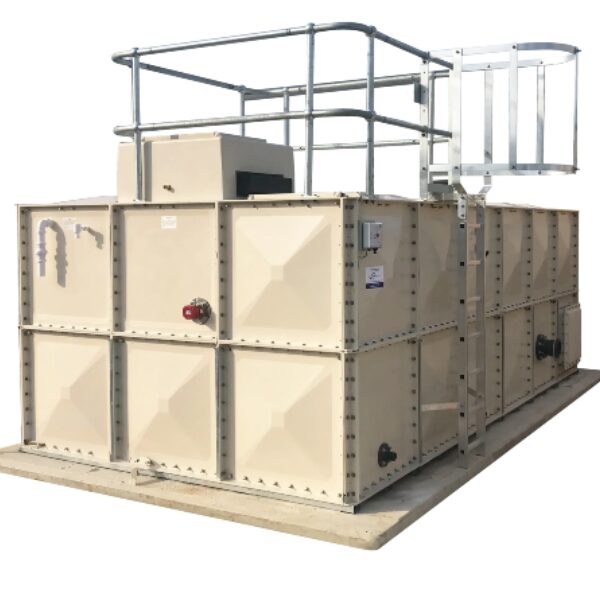
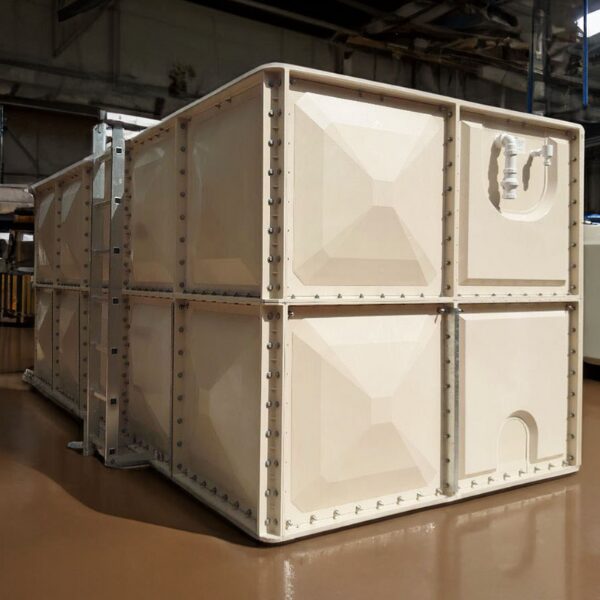
Glass-reinforced plastic (GRP) is made of fine glass fibres woven to form a flexible fabric; then, it is layered with resin and a catalyst left to cure, which results in a strong and lightweight final product. GRP material offers the best solutions for robust, reliable water tanks. GRP water tanks are typically used in cold water systems to store large volumes of water.

What is GRP?

Glass Reinforced Plastic (GRP), also known as fiberglass, is a composite material made by weaving fine glass fibers into a fabric and bonding them with resin. This process results in a lightweight yet exceptionally strong and durable material, ideal for a variety of applications.

GRP water tanks are specifically designed using this advanced material and are commonly used to store large volumes of cold water. They offer numerous advantages, including resistance to corrosion, a high strength-to-weight ratio, and minimal maintenance requirements, making them an attractive option for many.

When comparing GRP water tanks to alternative options, several key differences emerge:

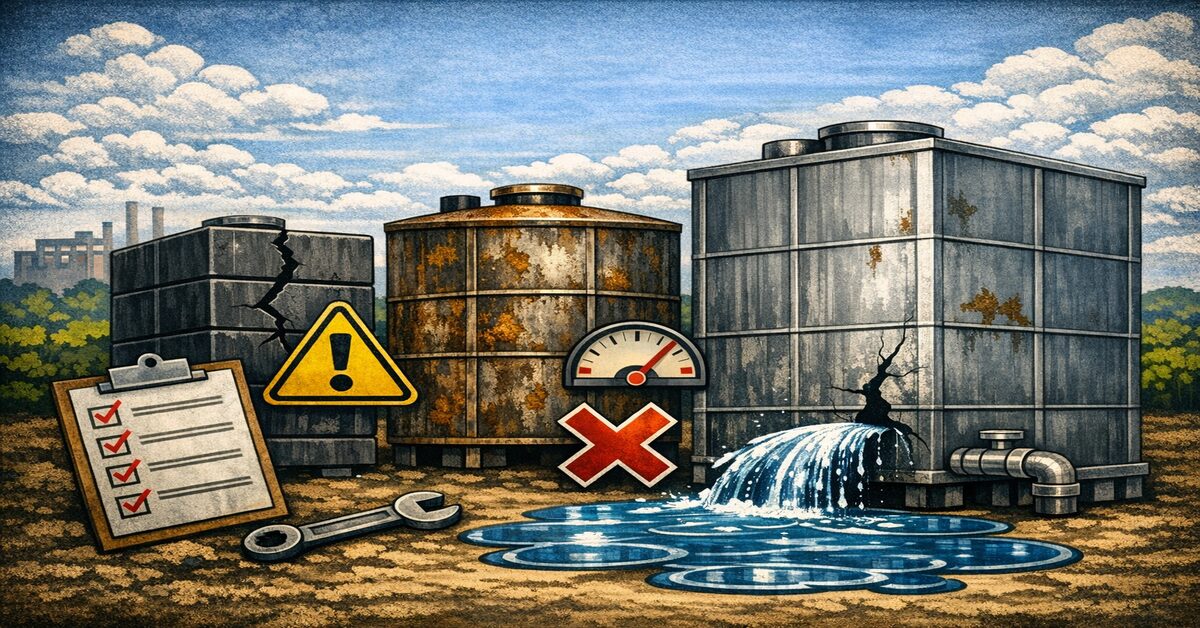
GRP vs. Galvanized Steel: While GRP tanks are lightweight, corrosion-resistant, and require less maintenance, galvanized steel tanks tend to be much heavier, are more susceptible to rust over time, and generally require more frequent upkeep.

GRP vs. Concrete: Concrete tanks are known for their durability and robustness, but they are heavy, difficult to install, and less flexible in terms of design. Additionally, they are prone to cracking over time, which can compromise their integrity.

GRP vs. Plastic: Plastic tanks are lighter and more affordable, but they lack the durability and strength of GRP tanks. Furthermore, plastic tanks are more susceptible to damage from UV rays and impacts, which can shorten their lifespan.

By carefully weighing these factors, you can make an informed decision about the best type of water tank for your needs.

GRP Water Tank Manufacturers

Tricel is a reputable brand in the industry with vast experience manufacturing GRP water tanks for different industries across the UK. We have a strong focus within the UK market but have experience supplying our GRP tanks internationally. Our comprehensive range of water tanks allows us to meet our customers’ various needs.

Market leading GRP Water Tanks

We provide our customers with the best solutions, ensuring we meet their specific needs by offering bespoke solutions for projects with unique space restrictions. Our specialist sales teams are always ready to assist you and provide technical knowledge on our products. Because customers are at the centre of what we do here at Tricel, we provide high-quality customer service from the quoting stage, and after installation.

GRP Water Tanks
Article Images

Benefits of GRP Water Tanks

There are different benefits GRP provides over old traditional alternatives such as galvanised steel tanks. Here are five main benefits of GRP Water Tanks.

  • Corrosion Resistant

Unlike traditional metal or steel tanks, GRP cold water storage tanks are immune to rust and can last for decades without any signs of deterioration. GRP water tanks will not rust and are ideal for areas with harsh or ever-changing weather conditions. Steel tanks could not withstand extreme weather conditions because the material is subject to oxidation. Aluminium tanks rust over time and require another coating to protect them from excessive heat/cold temperatures. GRP is corrosion-resistant to chemicals, wastewater or sewage.

  • High Strength Factor

Despite being lightweight, GRP material is stronger than the alternatives available, such as galvanised steel tanks. The strength-to-weight load-bearing performance is far superior to other options. Steel has to be heavy for it to be strong, which makes an empty tank heavier than an empty GRP tank, affecting the capacities that customers can get. Aluminium tanks would offer lower strength capabilities compared to GRP water tanks.

  • Low Maintenance Requirements

GRP water tanks will last you for decades, and this is due to their corrosion-resistant properties, meaning that they require minimal maintenance. Steel, concrete and aluminium tanks would require frequent maintenance because the tanks rust easily and would require additional coating. The smooth finish on our water tanks minimises the buildup of sediment, and because they do not rust, it reduces the need for frequent maintenance, saving you time and money.

  • Lightweight Capabilities

GRP water tanks are much lighter (70% – 80% lighter than steel), making them easier to transport and install. This lightweight construction allows for flexible placement options, even in locations with limited access. This saves project costs because no machinery is required to lift the panels.

  • Hygienic and Safe

GRP material is ideal for preventing contaminants, algae or bacteria such as Legionella from thriving. This is the best solution for potable water, and our range of GRP tanks are WRAS Approved, ensuring they meet the highest standards for storing clean, safe water for human consumption. GRP is also a non-toxic material, which eliminates the risk of chemical leaching that can occur with some other tank materials, providing you with peace of mind for the long term.

Read More...

  • Cold Water Storage Tanks
  • Case Studies
UK data centres

Why Water Is the Hidden Vulnerability in UK Data Centres (and How to Fix It) 

February 26, 2026

Water is now a core resilience risk for UK data centres. From mains interruptions to heatwaves, a single water supply issue can trigger thermal escalation and costly downtime. This article explains why the risk is rising, how cooling architectures depend on water, and the practical steps to start closing the resilience gap.
how to choose a water storage tank

Which Water Storage Tank Is Right for Me? A Practical UK Guide for Property Owners, Contractors & Specifiers 

February 19, 2026

Selecting the right water storage tank can feel overwhelming — but it doesn’t have to be. This practical UK guide walks you through water-use classification, sizing, material selection, installation constraints and compliance requirements so you can choose a tank that performs reliably, meets regulations, and avoids costly mistakes.

LPCB certification explained

LPCB Approved Sprinkler Tanks

October 17, 2025

Our LPCB approved sprinkler tanks are designed and manufactured to the highest safety standards, providing reliable water storage for fire protection systems. Fully certified to meet Loss Prevention Certification Board requirements, these tanks ensure compliance, durability, and peace of mind for critical fire safety applications.

Bespoke Tank

Custom Built Sectional Water Tanks: Tailored Storage for UK Infrastructure

October 9, 2025

Tricel Water UK delivers custom-built modular water tanks designed to meet the unique demands of modern infrastructure. From restricted access sites to WRAS-approved potable water systems, our bespoke solutions offer flexibility, durability, and full compliance with UK standards.

up