Sustainable Fire Suppression Systems: Fire Misting Tanks vs Fire Sprinkler Tanks
Home » Water Industry Insights & Innovations » Sustainable Fire Suppression Systems: Fire Misting Tanks vs Fire Sprinkler Tanks
As the demand for environmentally responsible construction grows, sustainable fire suppression systems are becoming a key focus in building design and fire safety planning. Fire suppression is essential for protecting lives and property, but traditional systems can have a significant environmental impact. This article compares two common solutions—fire misting tanks and fire sprinkler tanks—to help you understand which is more aligned with sustainability goals.
Why Sustainability Matters in Fire Suppression
Sustainability in fire safety goes beyond compliance—it’s about reducing water and energy consumption, minimizing material waste, and lowering carbon emissions throughout a system’s lifecycle. Choosing a sustainable fire suppression system can contribute to green building certifications such as BREEAM and LEED, while also reducing long-term operational costs.
Environmental Comparison: Misting vs Sprinkler Systems
|
SUSTAINABILITY FACTOR
|
FIRE MISTING TANKS
|
FIRE SPRINKLER TANKS
|
|---|---|---|
|
Water Consumption
|
Very low (up to 90% less)
|
High (requires large volumes)
|
|
Water Waste
|
Minimal, targeted misting
|
High due to overspray and runoff
|
|
Energy Use
|
Efficient high-pressure pumps
|
Moderate to high, especially in large systems
|
|
Tank Size & Footprint
|
Smaller, less material use
|
Larger, more space and materials
|
|
Material Sustainability
|
GRP tanks: recyclable, corrosion-resistant
|
GRP tanks: recyclable, corrosion-resistant
|
|
Carbon Footprint
|
Lower due to reduced water and energy use
|
Higher due to water processing and pumping
|
Fire Misting Tanks vs Fire Sprinkler Tanks: A Comparative Guide
When selecting a fire suppression system, it’s crucial to understand the differences between fire misting tanks and fire sprinkler tanks. Choosing the right system can significantly impact the effectiveness of fire suppression, the extent of water damage, and the overall safety of the building and its occupants.
Advantages of Fire Misting Tanks as a Sustainable Fire Suppression System
1. Water Conservation
Fire misting systems use ultra-fine droplets to suppress fires, requiring up to 90% less water than traditional sprinklers. This makes them ideal for buildings in water-scarce regions or where water damage must be minimized.
2. Reduced Infrastructure Demand
Because misting systems operate at lower pressures and use smaller tanks, they require less energy and fewer materials to install and maintain. This reduces both the environmental and financial cost of infrastructure.
3. Lower Lifecycle Emissions
Tricel’s GRP (Glass Reinforced Plastic) tanks are corrosion-resistant, long-lasting, and recyclable. These features reduce the need for replacements and lower the overall carbon footprint of the system over time.
4. Minimal Water Damage
Using less water not only conserves resources but also reduces post-fire damage. This means less mould growth, fewer repairs, and a quicker return to normal operations—key benefits for sustainable building management.
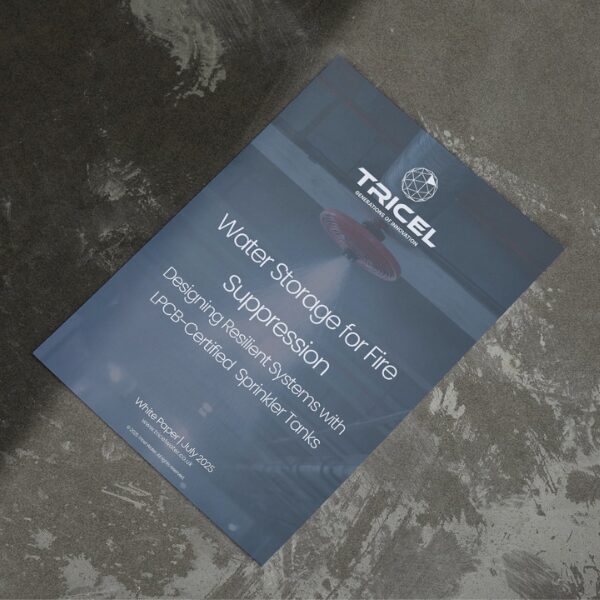
FEATURED WATER INDUSTRY WHITE PAPER
Water Storage for Fire Suppression | Designing Resilient Systems with LPCB-Certified Sprinkler Tanks
Stay ahead in fire safety with Tricel’s expert guide on water storage for fire suppression systems. This white paper covers key design considerations, compliance standards, and performance insights to help you specify and install reliable GRP tank solutions. Ideal for engineers, specifiers, and facility managers.
Tricel Water UK: Pioneering Sustainable Fire Suppression
Tricel is at the forefront of delivering sustainable fire suppression systems through:
- Use of WRAS-approved, recyclable GRP materials
- Custom tank sizing to reduce waste and improve efficiency
- Optional insulation and frost protection to minimize energy loss
By choosing Tricel’s fire suppression tanks, building owners and developers can meet fire safety requirements while actively supporting environmental goals.
Read More...
- Cold Water Storage Tanks
- Misting Tanks
- Sprinkler Tanks
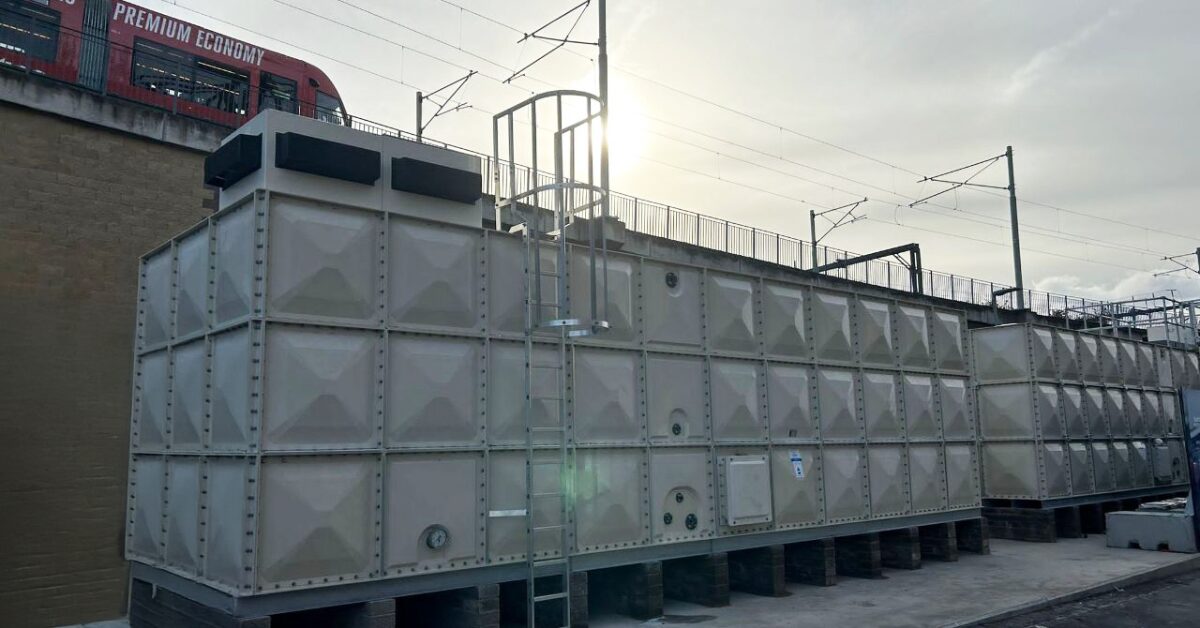
Large Potable Water Storage Tanks Installed at Murrayfield Stadium
Discover how Tricel Water designed, manufactured, and installed two large GRP potable water storage tanks for Scottish Water Business Stream sat Murrayfield Stadium. Despite strict deadlines, multiple stakeholders, and technical requirements, the project was completed ahead of schedule through close collaboration and rapid mobilisation.

How Much Water Storage Does a Data Centre Need? UK Sizing Methodology (Tier II–IV)
Sizing water storage correctly is central to data centre uptime and compliance. This guide distils the inputs you need, shows a worked example for a 10MW Tier IV site, and clarifies BS EN 12845 firewater requirements—so you can specify the right capacity with confidence.
5 Costly Mistakes When Choosing a Water Storage Tank (And How to Avoid Them)
Choosing the wrong water storage tank can lead to compliance issues, contamination risks, and expensive fixes years later. This guide breaks down the five most common mistakes specifiers, contractors, and building owners make — and how to select a compliant, long‑lasting, future‑proof tank for any project.
Why Water Is the Hidden Vulnerability in UK Data Centres (and How to Fix It)
Water is now a core resilience risk for UK data centres. From mains interruptions to heatwaves, a single water supply issue can trigger thermal escalation and costly downtime. This article explains why the risk is rising, how cooling architectures depend on water, and the practical steps to start closing the resilience gap.