Residential Fire Sprinkler Systems
Home » Cold Water Storage Tanks » Residential Fire Sprinkler Systems
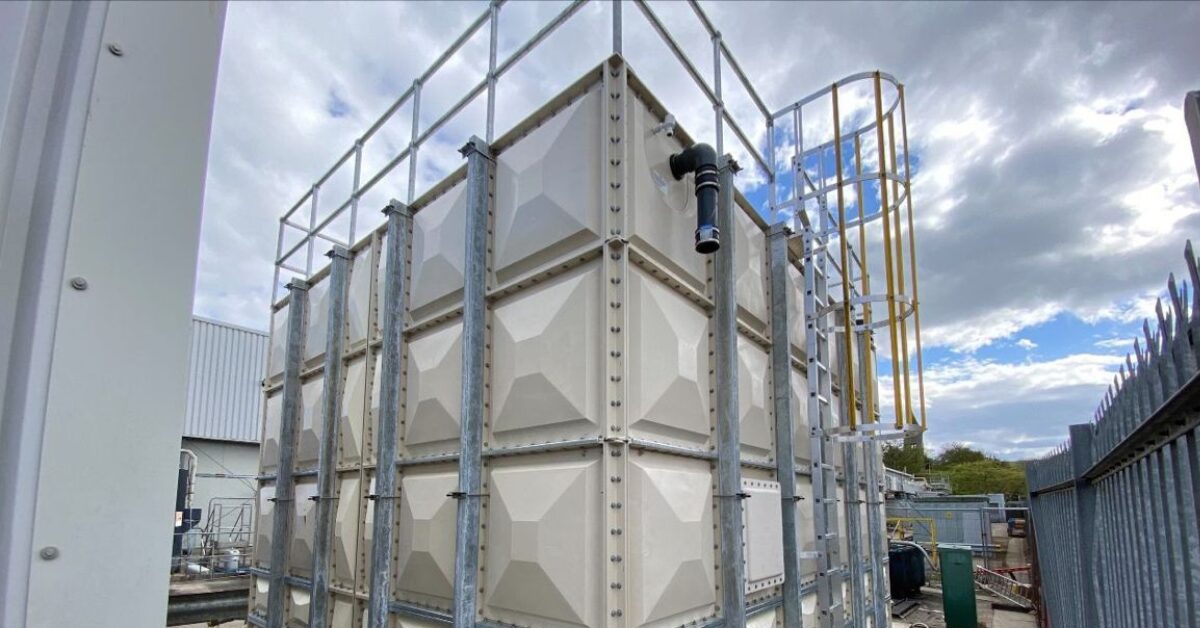
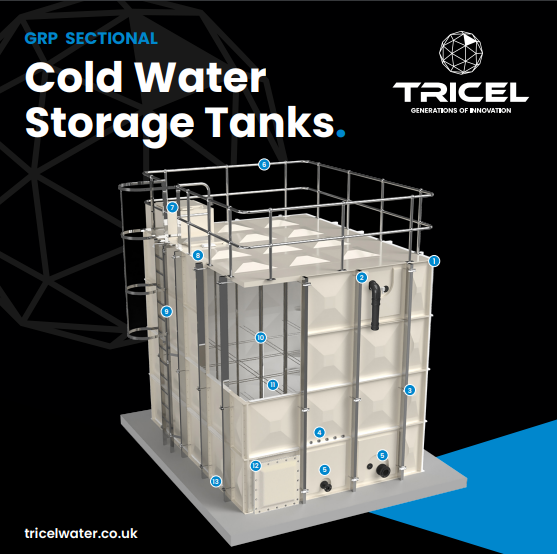
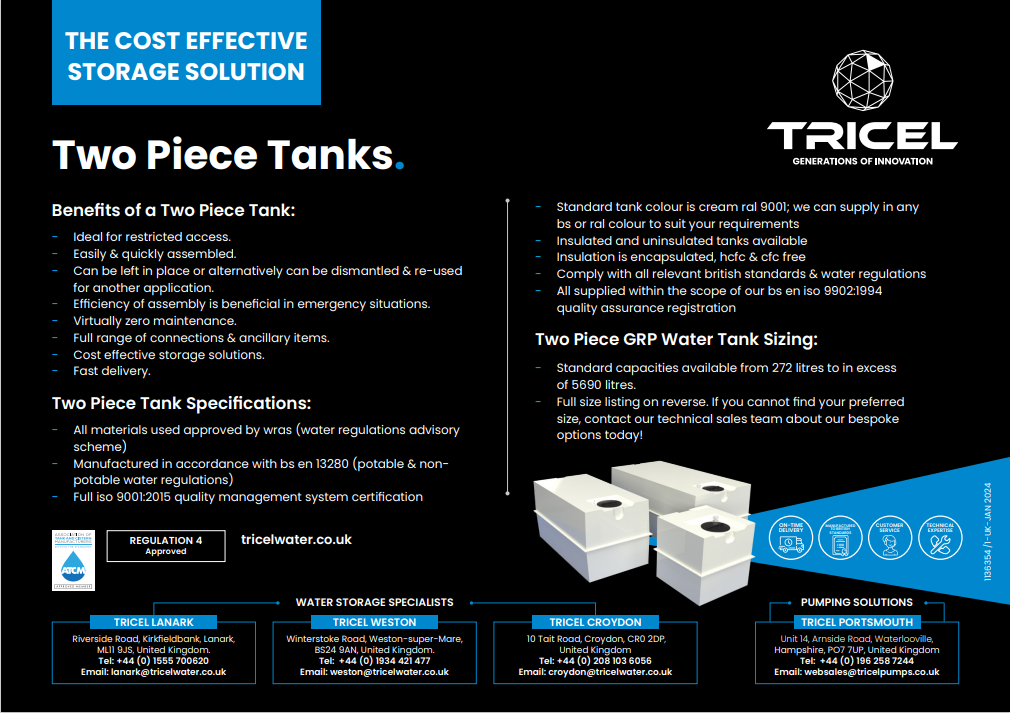
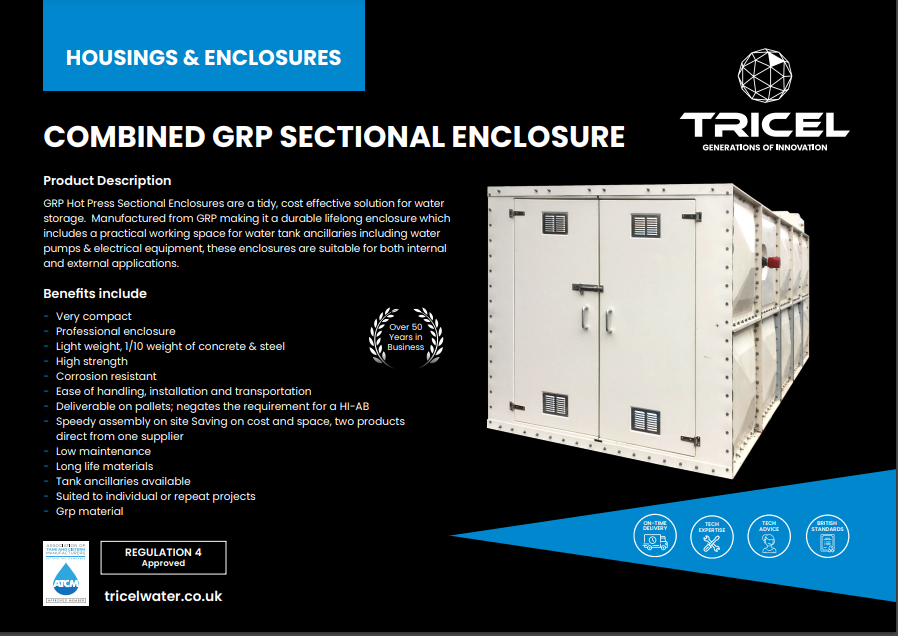
Residential fire sprinkler systems safeguard properties against the devastating impact of fires. Tricel offers GRP-constructed residential sprinkler tanks, ensuring durability and reliability in emergencies. This article will discuss the significance of residential fire sprinkler systems, highlighting their life-saving benefits, property protection features, installation protocols, and maintenance requirements.
Residential Sprinklers
Why Are Residential Fire Sprinkler Systems Essential?
Residential fire incidents are notorious for causing extensive property damage, resulting in significant financial losses globally, including in the UK. Between 2021 and 2022, the UK reported 12,939 building fires, leading to 334 fire-related fatalities. Given these statistics, residential buildings must prioritise fire safety measures, including installing reliable residential fire sprinkler systems.
Residential fire sprinkler systems are integral to fire protection mechanisms, designed to detect and suppress fires promptly. Central to their functionality is a dependable water supply, which residential sprinkler tanks provide. Without a steady water source, automatic sprinkler systems would be rendered ineffective.
Additionally, residential sprinkler tanks are used by buildings located in off-grid areas devoid of a consistent mains water supply. These tanks ensure firefighters can access the necessary water reserves to combat fires effectively.
Advantages of Residential Fire Sprinkler Systems
Residential sprinklers offer numerous advantages over alternative fire suppression methods. Their reliability is paramount, providing a constant water supply during emergencies, regardless of disruptions to the primary water source. Tricel offers a variety of tank sizes to accommodate diverse customer needs.
Furthermore, residential sprinklers represent a cost-effective solution to fire safety concerns. Investing in durable sprinkler tanks from Tricel proves worthwhile, considering the staggering losses incurred due to fire damages. According to the Fire Protection Association (FPA), fire-related damages averaged £657,074 per incident between January 2009 and December 2019. Such substantial financial losses underscore the importance of residential sprinkler systems in mitigating risks and preserving lives.
Key advantages of residential fire sprinkler systems include:
- Immediate access to water for fire suppression.
- Eliminating delays associated with waiting for firefighting teams, especially in remote areas.
- Year-round water storage is unaffected by weather fluctuations.
- Potential savings on insurance premiums through enhanced fire safety measures.
- Life-saving capabilities.
Choosing the Right Residential Sprinkler Tank
Choosing the appropriate tank size is crucial for optimising the effectiveness of a sprinkler system—factors such as building size, occupancy, and local fire safety regulations influence tank size selection. Tricel’s team of experts assists customers in determining the ideal tank size based on specific requirements and offers a convenient tank size calculator tool for estimation purposes.
Our team at Tricel has experience providing solutions for fire sprinkler contractors around the UK from CAT1 – CAT4 residential sprinkler tanks, fire water holding tanks for off-grid properties and even wet riser systems – we’ve got you covered!
Installation and Maintenance of Residential Sprinklers
Given the different local regulations around fire safety, the correct fire sprinkler tank installation is necessary to comply with the various codes and standards. At Tricel, we have certified, installers to assist our customers in installing residential sprinklers, ensuring that the tank is installed correctly and fit for purpose.
Different steps are involved in installing a sprinkler tank, including site preparation, tank placement, and connecting the pipes and sensors. Our experienced team of engineers helps ensure that Tricel maintains exceptional industry lead times by completing installation projects within a timeframe that meets the requirements of our customers.
Residential sprinklers require regular inspections to ensure connections, including all pipes, are secure. Inspections allow leaks to be spotted early before they widen, potentially causing long-term structural damage. This helps keep the tank in good working condition. Any issues highlighted during inspections must be urgently addressed to prevent serious problems.
Little to no maintenance is required once the tank is installed and commissioned. Our GRP residential sprinklers have an average lifespan of 20-25yrs!
Read More...
- Cold Water Storage Tanks
- Case Studies

Cold Water Tank Sizing: How to Calculate Storage Volume for Multi-Storey Buildings
A technical guide to cold water tank sizing methodology for multi-storey buildings — covering demand estimation, resilience calculations, water age, Legionella risk, and a worked sizing example.

Confined Space Entry in Building Maintenance: Obligations and Safe Systems
A practical guide to confined space entry obligations for building maintenance teams and contractors — covering the Confined Spaces Regulations 1997, permit to work, atmospheric testing, standby arrangements, and cold water tank entry.

Backflow Prevention in Building Water Systems: Fluid Categories and Device Selection
A technical guide to backflow prevention under the Water Fittings Regulations — fluid categories 1 to 5, device types for cold water cisterns, the Type AG air gap requirement, and common compliance failures.
Cold Water System Commissioning: Cleaning and Disinfection to BS EN 806-5
A practical guide to cold water system commissioning, cleaning, and disinfection in line with BS EN 806-5. Covers procedure, chlorination residuals, flushing, clearance for service, and handover documentation.