Home » Company News » A Flourishing Wild Garden at Tricel
A Flourishing Wild Garden at Tricel
Tricel’s wild garden has transformed into a vibrant space filled with wildflowers, providing valuable resources for bees and other pollinators while supporting local biodiversity.
- May 1, 2025
Community · Sustainability
UK — England & Wales, Scotland, NI
Approx. 3 minutes
This year, Tricel is celebrating the transformation of its wild garden into a vibrant space filled with a variety of native Irish wildflowers.
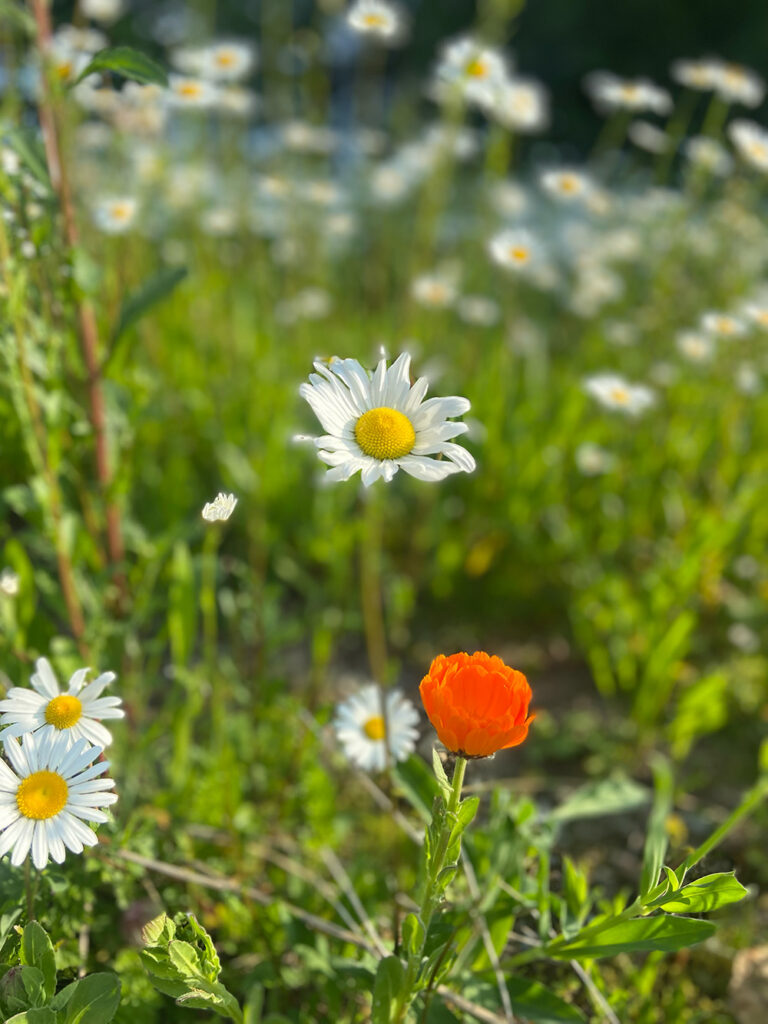
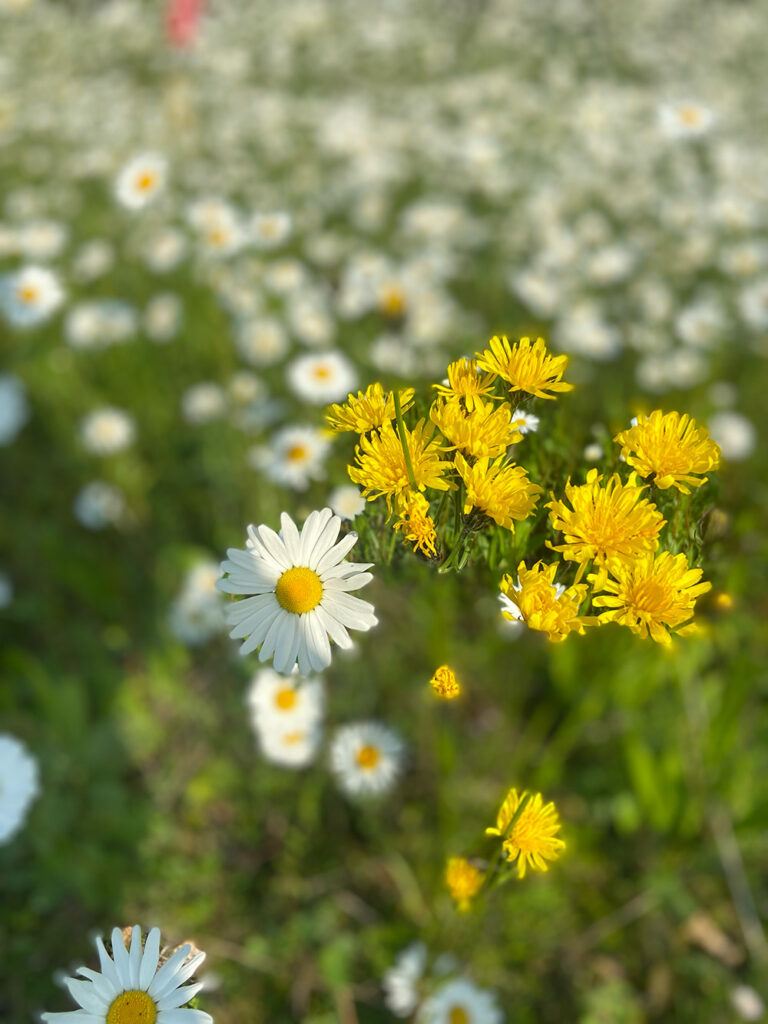
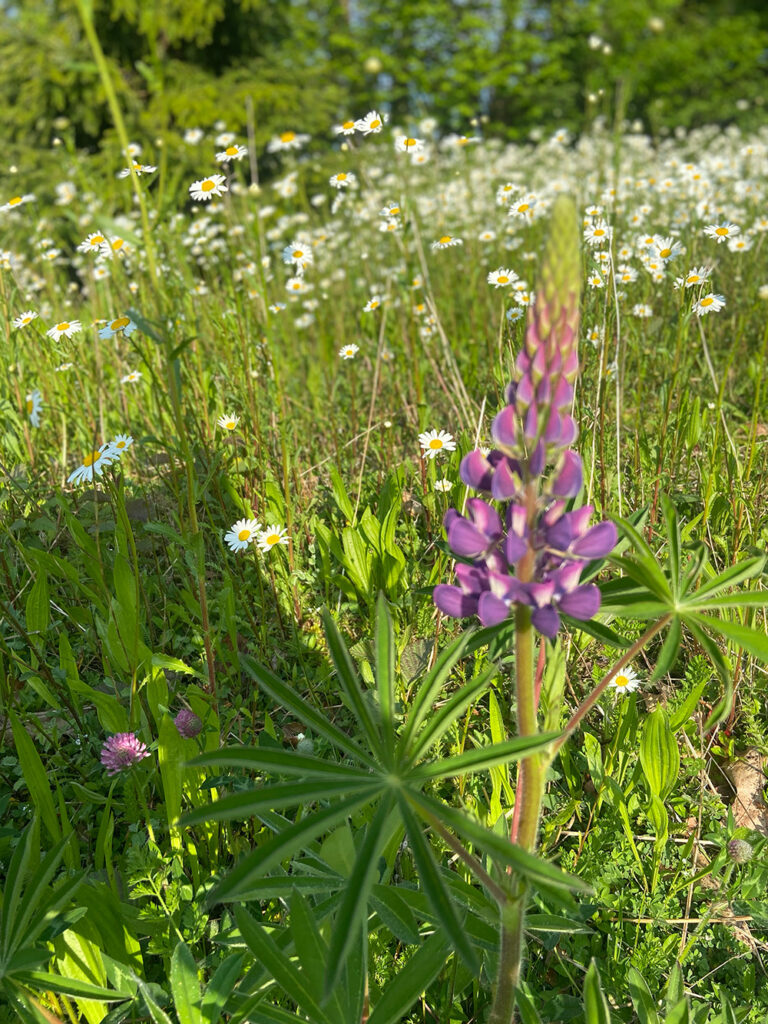
Oxeye Daisies, Yellow Hawkweed, Purple Lupine, Marigolds, Chive Flowers and clusters of Red Clover are bringing colour and life to the garden while contributing to a habitat for local wildlife.
Beyond enhancing the surroundings, the flowers provide nectar, pollen and other food sources for bees and pollinators, helping the garden play a role in supporting local biodiversity.
Wildflowers Bringing the Garden to Life
The flourishing garden features a diverse mix of flowers, including Oxeye Daisies, Yellow Hawkweed, Purple Lupine, Marigolds, Chive Flowers and Red Clover.
Together, they have transformed the wild garden into a colourful space that provides habitat and resources for local wildlife while contributing to the biodiversity of the surrounding area.
Supporting Bees and Other Pollinators
The wildflowers provide important resources for pollinators, particularly bees.
Oxeye Daisies, Marigolds and Chive Flowers provide nectar and pollen, while Purple Lupine and Yellow Hawkweed contribute to the bees’ diet throughout the seasons.
Red Clover provides another source of nectar for bees and other pollinators.
By providing these resources, the garden helps support pollinators and their role in maintaining healthy ecosystems and local biodiversity.
Supporting Local Biodiversity
The garden has developed into a thriving habitat for local wildlife.
The combination of wildflowers helps create a biodiverse space where different species can flourish, demonstrating how even a relatively simple garden initiative can make a positive contribution to the local environment.
For Tricel, the flourishing wild garden is one way of supporting biodiversity while enriching the company’s surroundings.

Tricel’s Commitment to Sustainability
The wild garden forms part of Tricel’s wider commitment to sustainability and the environment.
By nurturing the space, Tricel is supporting local wildlife and pollinators while creating an environment where biodiversity can develop naturally.
The garden represents one example of Tricel’s ongoing sustainability efforts and its commitment to finding ways to support the environment and create sustainable solutions.
Sustainability at Tricel
Tricel continues to explore ways to support the environment as part of its wider sustainability commitment.
The wild garden provides a practical example of that approach by supporting pollinators, encouraging biodiversity and creating a thriving natural space.
Readers can learn more about Tricel’s Sustainability Vision and Mission through the company’s Sustainability Report.
Wild Garden at a Glance
A diverse mix creating a vibrant natural space
Supporting bees and other pollinating species
Providing habitat and resources for local wildlife
Wildflowers in the Garden
Tricel
Explore Tricel Sustainability
Learn more about Tricel’s sustainability efforts, vision and commitment to supporting the environment.
About Tricel Water
Sustainability forms part of Tricel’s ongoing approach to supporting the environment.
The wild garden is one example of this commitment, creating a thriving space for wildflowers, pollinators and local wildlife while contributing positively to biodiversity.
Tricel continues to explore ways to support the environment and develop sustainable solutions.
Wildflowers in the Garden
OXEYE DAISIES – Nectar and pollen for pollinators
YELLOW HAWKWEED – Contributes to the bees’ seasonal diet
PURPLE LUPINE – Provides additional resources for bees
MARIGOLD – Nectar and pollen source
CHIVE FLOWERS – Nectar and pollen source
RED CLOVER – Rich source of nectar for pollinators